

The transition from active duty to civilian life brings distinct hurdles for every service member returning home. However, the specific medical hurdles that women veterans experience often differ significantly from those of male veterans. A female veteran might struggle to obtain proper recognition for conditions connected to her time in uniform, leading to a frustrating experience when seeking disability compensation. This blog post aims to shed light on the complexities of the claims process and how specialized medical documentation can bridge the gap for those who served. By understanding the nuances of the system, women can better advocate for the benefits they have rightfully earned through their dedicated service.
Securing adequate health care and appropriate financial compensation requires comprehensive documentation alongside expert medical opinions from specialists. Nexus letters serve as critical tools that connect a current diagnosis to specific events during military service. These documents provide the necessary medical evidence to support a successful va claim for various conditions, ensuring that every women veteran receives the recognition she deserves. By establishing a clear service connection, a female veteran can access the va disability benefits necessary to manage her long-term health issues and improve her daily life. These letters act as a bridge between clinical findings and the legal requirements of the Department of Veterans Affairs.
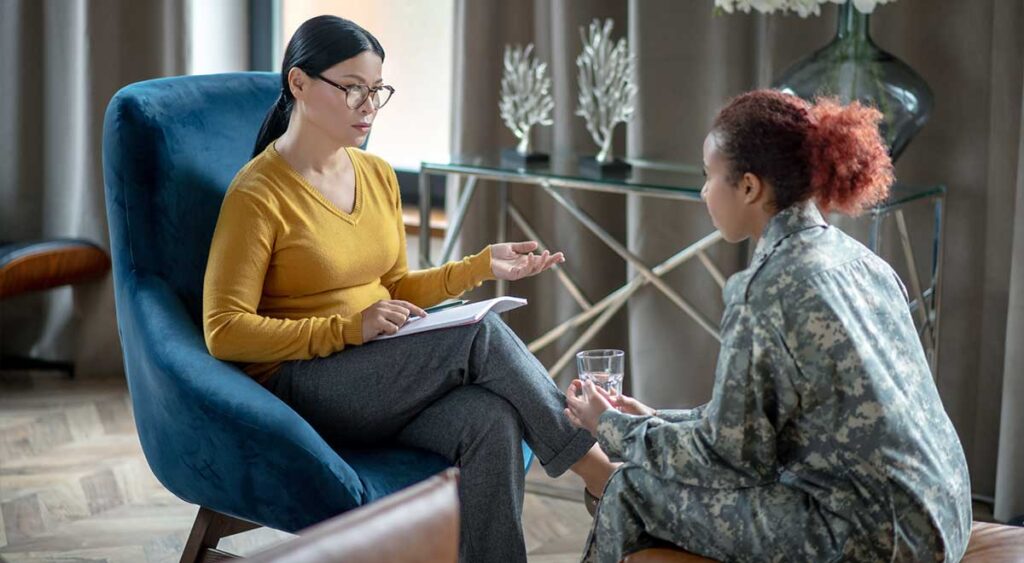
Statistical data consistently highlights a significant gap in how the government processes compensation applications for different demographic groups. Current research indicates that female veterans frequently encounter much higher denial rates than male veterans for similar medical conditions. This unfortunate discrepancy often stems from a lack of understanding regarding how certain injuries manifest in women veterans compared to their male counterparts. In contrast to the standard medical models often based on male veterans, women require a more tailored approach to diagnostic coding and symptom reporting. For instance, while male veterans might more frequently claim for hearing loss or musculoskeletal injuries, a women veteran may present with complex internal health issues that are harder to document without specialized va medical intervention.
The historical context of military service has often centered on the experiences of men, leaving many women veterans feeling overlooked by the veterans affairs system. While male veterans have historically been the primary focus of VA research, the unique stressors of female service are gaining recognition. When women veterans face the daunting task of filing for va disability, they often find that their treatment records from active duty are incomplete or fail to capture the full scope of their service-related ailments. This lack of documentation makes it harder for a female veteran to prove that her current chronic pain or mental health struggles are directly related to her time in the military. Consequently, many female veterans receive a lower va rating than they actually qualify for, impacting their ability to afford necessary health care.
Furthermore, the social stigma associated with certain conditions can prevent a women veteran from seeking help while still on active duty. The diagnostic criteria used for male veterans may not always capture the nuances of female physiology during the C&P examination process. This “silent suffering” leads to a lack of contemporary evidence, which the VA often uses as a reason to deny a va claim. To combat this, women veterans must be proactive in gathering secondary evidence and expert opinions to ensure their disability ratings reflect the true severity of their conditions. Understanding these disparities is the first step for any female veteran looking to navigate the system effectively and secure her rightful va disability compensation.
Military Sexual Trauma and Mental Health for the Women Veteran

One of the most sensitive and prevalent issues affecting the women veteran community is military sexual trauma (MST). Statistics show that a significant percentage of female veterans have experienced some form of military sexual harassment or assault during their service. The resulting mental health challenges, including PTSD, anxiety, and depression, can be debilitating and affect every aspect of a female veteran’s daily life. Filing a va claim for MST requires a high level of sensitivity and specific types of evidence that differ from standard physical injury claims. Many survivors find that the psychological impact lingers for decades, necessitating long-term therapeutic support and consistent medical monitoring.
When a women veteran applies for va disability benefits related to military sexual trauma, the VA looks for “markers” in service records that suggest the trauma occurred, even if the event was never officially reported. These markers might include sudden changes in performance, requests for transfer, or visits to a va medical facility for unexplained physical symptoms. Because the trauma is so personal, many women veterans find it difficult to discuss these events during a C&P exam. This is where a nexus letter becomes invaluable, as it allows a mental health professional to articulate the connection between the trauma and the veteran’s current psychological state without forcing the female veteran to relive the trauma repeatedly. A well-crafted letter can provide the clinical context that a standard records review might overlook.
It is also important to recognize that mental health conditions can lead to secondary conditions. For example, a women veteran suffering from MST-related PTSD may also develop chronic pain or sleep apnea. By securing a proper disability rating for the primary mental health condition, the female veteran can then seek additional va disability for these secondary issues. Ensuring that the va cover includes comprehensive support for both the visible and invisible wounds of service is essential for the long-term well-being of all women veterans. Comprehensive care must address the holistic needs of the veteran, including both mental and physical health integration.
Female veterans face unique challenges. Learn how nexus letters for women’s VA claims support MST reproductive and other conditions.
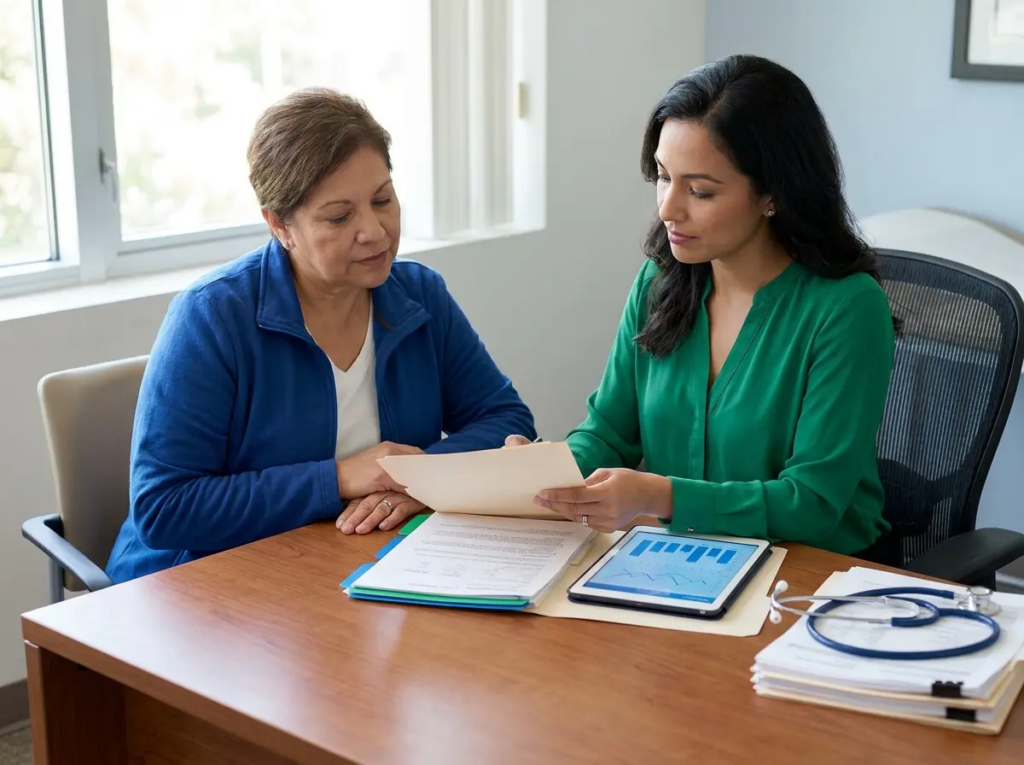
Reproductive health issues are frequently central to the disability claims of many women veterans, yet they remain some of the most misunderstood areas within the VA system. Conditions such as endometriosis, polycystic ovary syndrome (PCOS), and chronic pelvic pain are often linked to the physical strain and environmental exposures encountered during military service. For a female veteran, these women-specific conditions can be just as limiting as a physical wound sustained in combat. Furthermore, the implementation of the PACT Act has opened new avenues for claims related to toxic exposures that specifically impact reproductive systems. These exposures can have lifelong consequences for a veteran’s health and family planning goals.
The challenge for a women veteran often lies in proving the service connection for reproductive health issues. Many of these conditions develop over time or are exacerbated by the rigors of service, such as heavy lifting or exposure to toxic chemicals. When a female veteran experiences persistent pelvic pain, it can interfere with her ability to work and maintain a normal daily life. Without a clear link in her treatment records, the VA may dismiss these claims as unrelated to service. A nexus letter from a gynecological specialist can provide the necessary medical rationale to show how military service contributed to these reproductive health issues. This expert testimony is often the deciding factor in a successful appeal or initial claim approval.
In addition to primary reproductive issues, women veterans should be aware of how these conditions impact their overall va disability ratings. The VA’s schedule for rating disabilities includes specific criteria for gynecological conditions, but these are often rated lower than other physical ailments. By working with experts who understand the nuances of health care for women, a female veteran can ensure that her va claim accurately reflects the severity of her symptoms. This specialized focus is vital for women veterans navigating va systems that were originally designed with male physiology in mind. Proper advocacy ensures that reproductive health is treated with the same clinical importance as any other service-connected disability.
How Nexus Letters Support a VA Disability Claim for a Female Veteran
A nexus letter is perhaps the most powerful tool a women veteran can have in her arsenal when fighting for va disability. Essentially, it is a formal document written by a qualified medical professional that states their expert opinion on the link between a veteran’s current condition and their military service. For a female veteran, this letter can bridge the gap between “possibly related” and “at least as likely as not related,” which is the legal standard required to receive va benefits. Without this professional “nexus,” many claims from women veterans are denied due to a perceived lack of evidence. The letter must be based on a thorough review of the veteran’s entire medical history and service record.
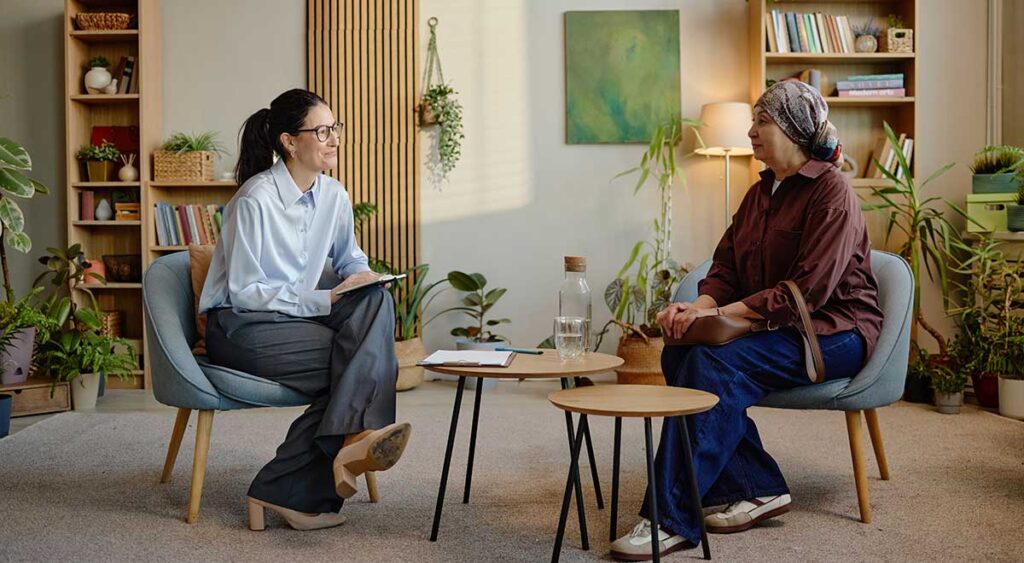
When drafting a nexus letter for a women veteran, the physician must review all relevant treatment records and provide a detailed analysis of the medical literature. This is particularly important for secondary conditions, where one service-connected disability causes or worsens another. For example, if a female veteran has a service-connected back injury that leads to depression, a nexus letter can establish that connection, allowing her to receive va disability for the mental health condition as well. This comprehensive approach ensures that the va disability compensation reflects the full reality of the veteran’s health. Physicians must use specific language that aligns with VA legal standards to be most effective.
For many women veterans, the nexus letter also serves as a voice. It translates their lived experience and physical suffering into the clinical language that the VA requires for a successful disability rating. Whether the issue is chronic pain, hearing loss, or complex reproductive health issues, the nexus letter provides the objective medical evidence needed to overcome the skepticism often faced by female veterans. By investing in a high-quality nexus letter, a women veteran significantly increases her chances of a favorable outcome in her va claim process. This document serves as a permanent record of the medical necessity of her claim.
Steps to Build a Strong Claim for VA Disability Benefits
Building a strong claim for va disability benefits requires a strategic approach and meticulous attention to detail. For a women veteran, the first step is always to gather all available treatment records, both from her time in the military and from private providers. These records form the foundation of the va claim and provide the timeline necessary to establish a service connection. If records are missing, a female veteran should look for “buddy statements” from fellow service members who can attest to the onset of her health issues during service. These statements should be specific, detailing dates, locations, and the observable impact of the injury or trauma.

The second step for any women veteran is to seek a formal diagnosis for all current conditions. The VA cannot grant disability compensation for symptoms alone; there must be a clear, medically recognized diagnosis. Once a diagnosis is obtained, the female veteran should consult with specialists who can provide a nexus letter. This is especially crucial for women-specific conditions or mental health issues related to military sexual trauma, where the link to service might not be immediately obvious to a general practitioner. Taking these steps early can prevent long delays in the va disability ratings process. A proactive approach often leads to a more streamlined and successful application experience.
Finally, the women veteran must prepare for the Compensation and Pension (C&P) exam. This is a pivotal moment in the va claim journey. It is essential for the female veteran to be honest and thorough about how her conditions affect her daily life and ability to work. Bringing a copy of the nexus letter and relevant medical evidence to the exam can help ensure the examiner has all the facts. By being well-prepared, a women veteran can navigate the system with confidence and move closer to receiving the va disability compensation she has earned through her service. Preparation is the key to overcoming the anxiety often associated with these formal evaluations.
Overcoming Systemic Bias: Women Veterans Navigating VA Health Care
Systemic bias remains a significant hurdle for many women veterans navigating va health care systems. Historically, the VA was built to serve a predominantly male population, and while progress has been made, many female veterans still report feeling misunderstood or dismissed by providers. This bias can manifest in the way symptoms are evaluated, with a women veteran’s chronic pain sometimes being attributed to psychological factors rather than physical injury. Overcoming this requires persistence and a clear understanding of one’s rights as a female veteran. It is important to remember that you are your own best advocate in a complex bureaucracy.
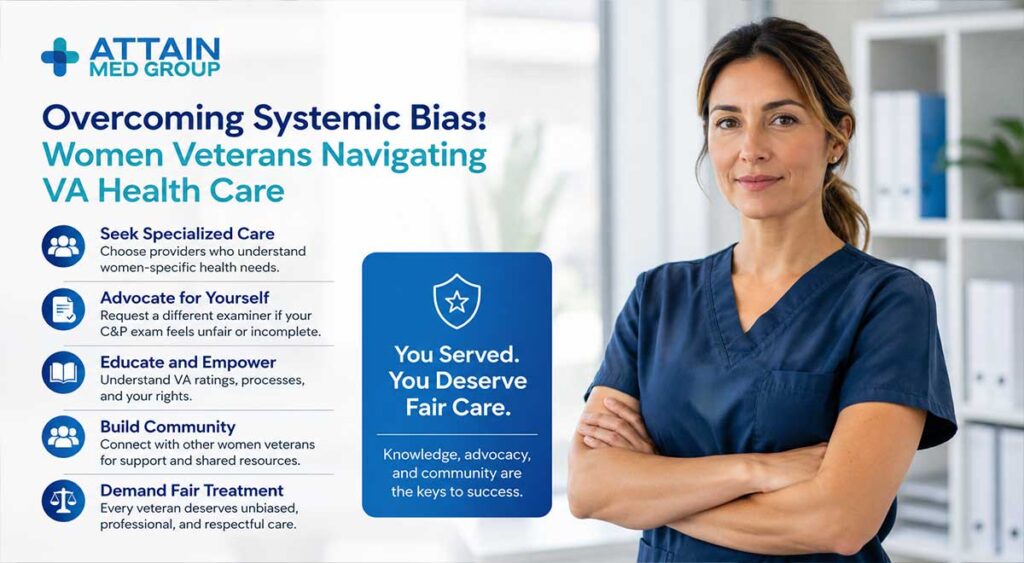
To combat systemic bias, a women veteran should seek out providers who specialize in women’s health within the va medical system. These specialists are often more attuned to the unique ways that military service affects the female body and are better equipped to provide the documentation needed for a successful va claim. Additionally, women veterans should not hesitate to request a different examiner if they feel their C&P exam was conducted unfairly or if the examiner lacked the necessary expertise in women-specific conditions. Advocacy is a key component of securing fair va disability benefits. Every veteran has the right to an unbiased and professional medical evaluation.
Education is also a powerful tool for the women veteran. By understanding the va disability ratings criteria and the common pitfalls in the claims process, female veterans can better advocate for themselves. Joining veteran service organizations or online communities for women veterans can provide valuable support and shared knowledge. When women veterans stand together and demand fair treatment, they help to dismantle the systemic biases that have historically hindered their access to health care and disability compensation. Collective action and shared resources empower individual veterans to pursue their claims with greater success.
The Financial Impact of Accurate Medical Evidence and Disability Ratings
The financial impact of receiving an accurate va rating cannot be overstated. For a female veteran, the difference between a 30% and a 70% disability rating can mean thousands of dollars in annual va disability compensation. This funding is often vital for covering the costs of specialized health care, adaptive equipment, or simply maintaining a stable daily life when a disability prevents full-time employment. Accurate medical evidence, particularly in the form of a nexus letter, is the key to unlocking these essential va disability benefits. Financial stability allows veterans to focus on their recovery and long-term health goals.
Beyond the monthly payments, a higher disability rating can also grant a women veteran access to other resources, such as vocational rehabilitation, property tax exemptions, and expanded va medical coverage. For a female veteran struggling with chronic pain or reproductive health issues, these additional benefits can significantly reduce the financial stress associated with long-term illness. Ensuring that every VA claim is supported by robust evidence is not just about the present; it is about securing the financial future of the women veteran and her family. These benefits are a recognition of the sacrifices made during years of military service.
In many cases, women veterans face a long road of appeals to get the VA disability ratings they deserve. This process can be emotionally and financially draining. However, having a strong nexus letter from the start can often truncate this process, leading to a faster approval and the back-payment of benefits. For the women veteran, investing the time and resources into high-quality medical evidence is a strategic move that pays dividends in long-term financial security and peace of mind. A successful claim provides the foundation for a more stable and supported civilian life.
Final Thoughts: Female veterans face unique challenges. Learn how nexus letters for women’s VA claims support MST reproductive and other conditions.
Securing the future for a women veteran involves more than just filing paperwork; it requires a comprehensive understanding of the unique challenges that female veterans face. From the invisible scars of military sexual trauma to the complex realities of reproductive health issues, the journey to receiving va disability is often fraught with obstacles. However, with the right tools—most notably a strong nexus letter and a clear service connection—a female veteran can successfully navigate the VA claim process and receive the disability compensation she deserves. Your health and your service deserve the highest level of professional recognition.

Every women veteran should feel empowered to seek the highest possible VA rating for her conditions. Whether you are dealing with chronic pain, mental health struggles, or women-specific conditions, your service and your sacrifices matter. By utilizing the resources available and insisting on accurate VA medical evaluations, you can ensure that your daily life is supported by the benefits you earned. Remember, you do not have to navigate this path alone; there are experts and fellow women veterans ready to support you in your quest for justice. Community support is a vital part of the healing and advocacy process.
As we look to the future, the continued advocacy for women veterans navigating va systems will be crucial. By sharing stories, improving medical documentation, and challenging systemic biases, we can ensure that every female veteran receives the same level of respect and support as her male counterparts. Your health, your financial stability, and your future are worth the effort. Stay informed, stay persistent, and continue to advocate for the va disability benefits that reflect the true honor of your service as a women veteran. The path to justice may be long, but the rewards of persistence are life-changing.