

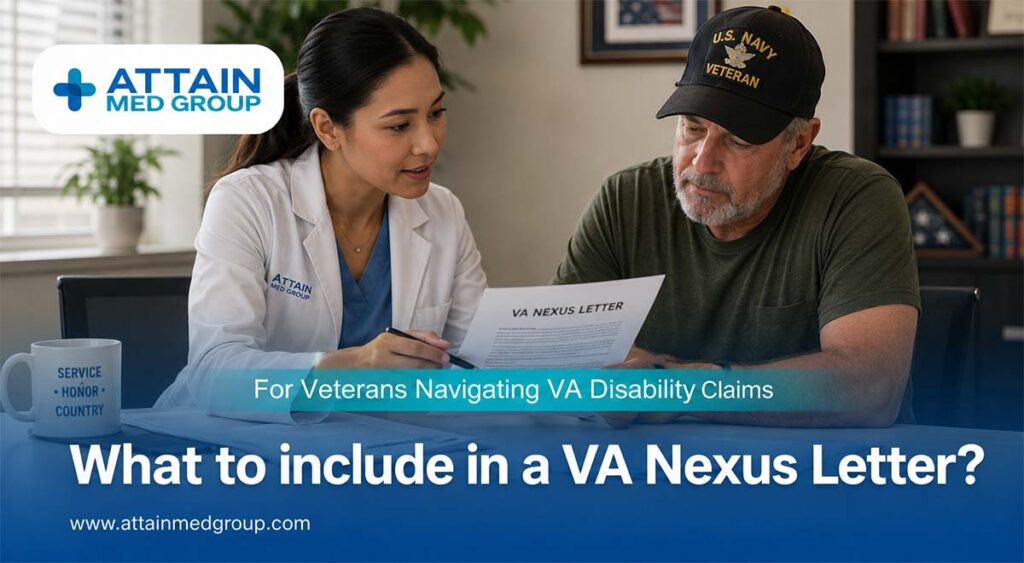
When navigating the complexities of what to include in a nexus letter for VA disability claims, veterans often find themselves overwhelmed by the bureaucratic requirements of the Department of Veterans Affairs. Many veterans face a frustrating path when filing a va disability claim for health issues tied to military service. The Department of Veterans Affairs recognizes certain illnesses caused by toxic exposure, but proving your case still requires substantial documentation. A well-crafted nexus letter frequently makes the difference between an approval and a frustrating denial. You might assume that a presumptive condition automatically guarantees va benefits without additional proof. However, the claims process frequently demands clear medical evidence linking your specific medical condition to your service records. Understanding the nuances of a medical nexus letter is the first step toward securing the disability compensation you deserve for your sacrifices.
The history of herbicide use during the Vietnam Era has left a lasting legacy on the health of millions of service members. For those who served on the ground or on inland waterways, the exposure to dioxin has led to a variety of chronic health conditions. While the VA has established a list of presumptive conditions, the path to receiving va disability benefits is rarely a straight line. Veterans must often provide a strong nexus letter to clarify the onset of symptoms or to connect secondary conditions to their primary agent orange presumptive illness. This documentation serves as the bridge between military service and current medical reality, ensuring the rating specialist has all the facts. Without a comprehensive medical opinion, even the most obvious cases of orange exposure can be delayed or denied due to technicalities in the medical records.

As the legal landscape evolves with new legislation like the PACT Act, the requirements for a va nexus letter have become even more specific. It is no longer enough to simply state that a veteran was exposed to toxins during their time in the military service. A medical expert must now provide a detailed rationale that aligns with current scientific understanding of illnesses caused by toxic exposure. This involves a deep dive into the veteran’s medical history, comparing it against the known latency periods of agent orange-related diseases. By providing a clear and concise nexus opinion, a physician can help the VA understand why a specific health condition should be granted service connection. This proactive approach is essential for anyone looking to maximize their va disability compensation and ensure long-term financial stability.
The VA maintains a specific list of presumptive conditions that streamline the approval process for veterans. If you served in designated locations, the VA assumes your agent orange contact occurred during deployment. This policy helps veterans who developed severe health conditions after their military service apply for va disability. A professional nexus letter can further solidify this connection by providing a detailed medical opinion from a qualified medical expert. When a veteran presents a nexus letter, it bridges the gap between their current health condition and their past military service. This presumption is a powerful tool, but it does not replace the need for a formal diagnosis and a clear medical nexus.
You do not have to prove an in-service event caused your illness if it appears on this registry. Common presumptive conditions include Diabetes Mellitus Type 2, Parkinson’s disease, and various forms of cancer. The government provides these presumptions because tracking exact exposure levels during combat operations proves impossible. However, even with a presumptive condition, a nexus letter can be vital if your medical history is complex or if the VA disputes the timing of your diagnosis. Obtaining a medical nexus letter ensures that your disability compensation reflects the true severity of your service-connected illness. It provides the clinical context that a simple diagnosis code often lacks in the eyes of a va claim reviewer.
The concept of a presumptive condition is designed to lower the evidentiary burden on the veteran. Despite this, many va claims are delayed because the medical records do not clearly align with the VA’s strict diagnostic criteria. A strong nexus letter provides the necessary medical opinions to clarify these discrepancies for the rating specialist. By including a nexus opinion in your initial application, you reduce the likelihood of needing a supplemental claim later. This proactive approach to your va disability claim can significantly accelerate the delivery of your disability benefits. Furthermore, a well-documented nexus letter can help establish the earliest possible effective date for your va disability compensation.
It is also important to recognize that the list of orange presumptive conditions has expanded over the years. Conditions like bladder cancer, hypothyroidism, and monoclonal gammopathy of undetermined significance (MGUS) were added relatively recently. For veterans who were previously denied, a new nexus letter can help reopen a va disability claim under these updated rules. A medical expert can review your previous medical records and provide a fresh medical opinion that reflects current VA regulations. This ensures that your va claim is evaluated based on the most recent scientific evidence regarding toxic exposure. Staying informed about these changes is crucial for any veteran seeking va benefits for agent orange exposure.

VA Nexus: Why You Still Need Documentation for Presumptive Claims

While the presumption of service connection exists, the VA still requires a formal diagnosis from a licensed physician. A nexus letter serves as a critical piece of evidence that confirms your diagnosis meets the VA’s specific requirements. Without a clear nexus letter, the VA might argue that your health condition is related to post-service factors rather than orange exposure. This is particularly common when a veteran has a history of smoking or other lifestyle factors that could contribute to their illness. A medical nexus letter helps to isolate the agent orange exposure as the primary contributing factor, providing a strong nexus for your claim.
Furthermore, the severity of your condition determines your disability rating, which directly impacts your monthly disability compensation. A detailed nexus letter can describe the functional limitations caused by your illness, helping the VA assign an accurate rating. If your condition isn’t clearly documented, you may receive a lower rating than you deserve for your VA Disability Benefits. A medical expert can use your medical records to provide a strong nexus that justifies a higher percentage. This level of detail is essential for a successful va disability claim in a competitive environment where the VA often looks for reasons to minimize ratings.
In many cases, a veteran may suffer from secondary conditions that are not on the presumptive list but are caused by a presumptive illness. For these secondary va claims, a nexus letter is absolutely mandatory to establish a legal link. For example, if your agent orange-related diabetes leads to neuropathy, you need a nexus letter to connect the two. This independent medical evaluation provides the “medical nexus” required to expand your service connection. Without this professional medical opinion, the VA is likely to deny benefits for any condition not explicitly listed as presumptive. A strong nexus letter effectively ties these secondary health conditions back to the original toxic exposure.
Documentation also plays a vital role when a veteran has multiple service-connected disabilities that interact with one another. A medical nexus letter can explain how an agent orange-related condition exacerbates another service-connected health condition. This “aggravation” claim can lead to a higher overall disability rating and increased disability compensation. A medical expert can provide the necessary medical opinions to show that the veteran’s quality of life is significantly impacted by these combined issues. By thoroughly documenting these interactions in a nexus letter, veterans can ensure that the VA sees the full picture of their health. This comprehensive approach is the hallmark of a successful va disability claim strategy.
What to include in a nexus letter for VA disability claims

A high-quality nexus letter must follow a specific format to be effective during the va claims process. First, the author must establish their credentials as a medical expert qualified to speak on your specific health condition. The nexus letter should clearly state that the physician has reviewed your entire medical history and all relevant military records. This review is crucial because it demonstrates that the medical opinion is based on a comprehensive understanding of your case. A strong nexus letter will explicitly mention the phrase “at least as likely as not” to meet the VA’s legal standard for service connection. This specific terminology is vital for the success of any VA disability claim involving toxic exposure.
Second, the nexus letter must provide a detailed rationale connecting your agent orange exposure to your current disability. This involves citing peer-reviewed medical literature or VA-recognized studies that link toxic exposure to your specific diagnosis. When writing a nexus letter for va disability claims, the doctor should explain the biological mechanism of how the toxin affected your body. This scientific approach creates a strong nexus that is difficult for VA medical examiners to refute. Including these medical opinions transforms a simple note into a powerful piece of evidence for your disability claim. The more specific the medical expert can be about the etiology of the disease, the stronger the va nexus letter becomes.
Third, the document should address any potential “intervening causes” that the VA might use to deny your VA disability claim. If you have other risk factors, the nexus letter should explain why agent orange remains the most probable cause of your condition. This part of the va nexus letter is vital for veterans who may have had other exposures or health issues after leaving the military service. By addressing these concerns head-on, the medical nexus letter provides a complete picture that supports your eligibility for disability compensation. A well-structured nexus letter is the cornerstone of a successful va disability compensation application, providing the clarity needed for a favorable decision.
Additionally, the nexus letter should include a discussion of the veteran’s specific symptoms and how they align with the clinical presentation of the disease. For instance, if a veteran is claiming diabetes mellitus type 2, the letter should detail the onset of symptoms and any complications like retinopathy or kidney disease. This level of detail helps the VA rater understand the progression of the medical condition over time. A medical expert should also comment on the veteran’s service records to confirm they were in a location where orange exposure was prevalent. By weaving together medical evidence and military history, the nexus letter creates an undeniable link to service. This thoroughness is what defines a strong nexus letter in the eyes of the Department of Veterans Affairs.
VA Nexus Letter: Addressing Atypical Conditions and Toxic Exposure
Not every veteran with toxic exposure will develop a condition that is currently on the VA’s presumptive list. In these instances, nexus letters become the most important part of the entire va claims process. You must prove that your specific illness was caused by agent orange exposure through a direct service connection. This requires a medical nexus letter that is exceptionally detailed and backed by significant medical evidence. The medical expert must bridge the gap between the known effects of dioxin and your unique health condition. Without this professional medical opinion, the VA will likely conclude that the condition isnât related to your military service.
The PACT Act has expanded the list of recognized conditions, but many veterans still fall through the cracks of the standard claims process. If your condition isnât listed, the VA will not assume a link, making a strong nexus letter your only path to benefits. This letter must argue that your military service involved significant orange exposure that directly resulted in your current disability. The physician providing the nexus opinion must be prepared to defend their conclusion against standard VA medical opinions. This is why choosing a doctor experienced in va nexus letters is so critical for your success. They understand how to frame the medical evidence to meet the VA’s strict evidentiary standards.

When dealing with atypical conditions, the nexus letter should also highlight the timeline of your symptoms. Often, chronic illnesses related to toxic exposure take decades to manifest, which can complicate a va disability claim. A medical nexus letter can explain this latency period, showing that the delay in diagnosis is consistent with agent orange-related diseases. By providing this context, the nexus letter helps the VA understand the long-term impact of your military service. This comprehensive approach is necessary to secure the va disability benefits you earned through your service. It turns a complex medical history into a clear narrative of service-connected injury.
Furthermore, for non-presumptive conditions, the medical expert should utilize the “buddy statement” or lay evidence if available. While the nexus letter is a professional medical opinion, it can be bolstered by accounts of the veteran’s health from fellow service members or family. The nexus letter can reference these statements to show a consistent pattern of health decline following orange exposure. This multi-faceted approach to evidence helps build a strong nexus that is difficult to ignore. Even if the condition isnât on the official list, a compelling medical nexus letter can convince the VA that the illness is “at least as likely as not” caused by toxic exposure. This is the key to winning difficult va claims for rare or emerging health conditions.
Medical Nexus: Connecting the Medical Evidence to Your VA Claim
The strength of your va claim depends on how well your medical records support the arguments made in your nexus letter. Every claim made by your doctor in the nexus letter should be verifiable through your existing health records. If the nexus letter mentions a specific symptom, there should be a corresponding entry in your medical history. This consistency is what creates a strong nexus letter that can withstand the scrutiny of a VA rater. When the medical evidence and the nexus letter are in perfect alignment, the va claims process moves much smoother and with fewer obstacles.
In addition to medical records, your military records play a vital role in establishing the “exposure” element of the nexus. The nexus letter should reference specific dates and locations of your service to prove you were in an area where agent orange was used. This connection between your military service and your medical condition is the definition of a va nexus. If the VA can see a clear path from your deployment to your current diagnosis, they are much more likely to grant service connection. A medical nexus letter acts as the map that guides the VA through this complex history, ensuring no detail of your toxic exposure is overlooked.

Veterans should also consider obtaining an independent medical opinion if the VA’s own doctors provide an unfavorable exam. A private nexus letter can counter a negative C&P exam by providing a more thorough analysis of your medical history. This “battle of the experts” is common in complex va disability claims involving toxic exposure. Having a strong nexus letter from a private specialist can provide the tie-breaking evidence needed to win your case. Ultimately, the goal of the nexus letter is to ensure that the medical truth of your condition is recognized by the VA. It serves as a powerful rebuttal to the often-brief evaluations conducted by VA-contracted examiners.
To further strengthen the medical nexus, the letter should address the specific diagnostic tests used to confirm the health condition. Whether it is a biopsy for cancer or a blood glucose test for diabetes mellitus type 2, the nexus letter should explain the significance of these results. This technical detail shows the VA that the medical opinion is rooted in objective data rather than just subjective complaints. A medical expert can also compare the veteran’s current health status to their pre-service medical records to show a clear decline. By highlighting the absence of the condition prior to military service, the nexus letter reinforces the argument for service connection. This level of forensic medical analysis is what makes a nexus letter for va disability claims truly effective.
Nexus Letter: Overcoming Denials for Agent Orange Presumptive Conditions
If your va disability claim has been denied, do not lose hope, as many veterans succeed on appeal with a better nexus letter. A denial often happens because the initial evidence did not sufficiently establish a medical nexus between the service and the condition. By submitting a supplemental claim with a new, strong nexus letter, you can address the specific reasons for the VA’s denial. This new medical opinion should directly refute the VA’s findings with updated medical evidence and clearer rationale. A well-targeted nexus letter is often the key to reversing a prior decision and securing your disability benefits.
During the appeals process, the quality of your nexus letters is more important than ever. The VA will look for “new and relevant evidence” to reopen your disability claim, and a medical nexus letter fits this requirement perfectly. The letter should focus on any aspects of your agent orange exposure that were previously overlooked. For example, if the VA denied you because they didn’t believe you were in a specific location, your nexus letter can emphasize the medical symptoms that are unique to that exposure. This level of detail is what makes a nexus letter for va disability claims so effective in appeals. It provides the “missing link” that the VA needs to change its mind.

It is also helpful to have your medical expert review the VA’s denial letter before drafting the new nexus letter. This allows the doctor to tailor their nexus opinion to fill the specific evidentiary gaps identified by the VA. Whether you are seeking a higher disability rating or an initial service connection, a customized nexus letter is your best tool. Remember that the va claims process is often a marathon, not a sprint, and persistence pays off. With the right medical nexus letter, you can eventually secure the disability compensation you deserve. Many veterans find that a second or third medical opinion is what finally breaks through the bureaucratic red tape.
In some cases, a veteran may need to seek a Higher-Level Review or an appeal to the Board of Veterans’ Appeals. In these higher stages of the claims process, a strong nexus letter becomes even more critical as legal arguments are weighed against medical evidence. A medical expert can provide a supplemental nexus opinion that addresses the specific legal questions raised by the judge or reviewer. This ensures that the medical evidence is presented in a way that is most favorable to the veteran’s case. By continuously refining the nexus letter based on feedback from the VA, veterans can build an airtight case for their va disability claim. Never underestimate the power of a persistent and well-documented medical nexus.
VA Claims: Conclusion: Finalizing Your Claims Strategy
In conclusion, securing va disability benefits for conditions related to agent orange requires a strategic approach to evidence. While presumptive conditions offer a head start, a nexus letter provides the professional medical opinion needed to guarantee a fair outcome. By including a medical nexus letter in your va claim, you provide the VA with a clear, scientifically backed reason to approve your benefits. This document is the most effective way to communicate the reality of your toxic exposure and its impact on your life. Do not leave your va disability compensation to chance; invest the time in obtaining a strong nexus letter that accurately reflects your medical history and military service.
Your military service and the sacrifices you made deserve to be recognized with the appropriate disability rating. Whether you are filing an initial va disability claim or a supplemental claim, the nexus letter remains a cornerstone of success. Ensure your medical expert has access to all your medical records and military records to produce the most accurate nexus opinion possible. With a comprehensive nexus letter for va disability claims, you can navigate the va claims process with confidence. Your health and your future financial security are worth the effort of building a strong, evidence-based case that the VA cannot ignore. A well-prepared veteran is a veteran who gets the benefits they deserve.
Finally, remember that the landscape of va disability is always changing with new laws like the PACT Act. Stay informed about how these changes affect your eligibility for va disability benefits and your need for nexus letters. A va nexus letter is not just a piece of paper; it is a professional medical nexus that speaks for you when you cannot. By focusing on the details of what to include in a nexus letter, you set yourself up for a successful va disability claim. Take the next step today by consulting with a medical expert who understands the unique challenges of agent orange exposure and the intricacies of the VA system. Your journey toward justice and compensation starts with a strong nexus.