


Texas honors military service with substantial resources specifically allocated for those who wore the uniform in defense of the nation. The state provides comprehensive support systems for former service members and their dependent families through the official Veterans Benefit program in Texas. Every texas veteran deserves immediate access to the programs earned through their personal sacrifice and dedicated years of service. You will find numerous opportunities ranging from a robust education benefit to significant property tax relief and specialized medical care. Understanding these requires clear information, accurate guidance, and proactive engagement with local agencies to ensure full eligibility.
The commitment of the Lone Star State to its military community is rooted in a long history of shared sacrifice and patriotism. State legislators continually update these programs to reflect the evolving needs of modern service members returning from diverse global assignments. By centralizing these resources, Texas ensures that the transition from active duty to civilian life is as seamless as possible for every family. This dedication makes Texas one of the most attractive states for retiring military personnel seeking a supportive and prosperous environment.

Understanding the Texas Veterans Commission and the Veterans Benefit program in Texas
The texas veterans commission serves as the primary advocate for former military personnel across the state, ensuring every individual receives their due. This state agency connects individuals with federal and state programs that improve their daily quality of life and long-term financial stability. Whether you served in the air force or the coast guard, professional representatives stand ready to help you navigate complex bureaucratic hurdles. They provide essential oversight for the Veterans Benefit program in Texas to ensure that no service member is left behind during their transition.
Their dedicated staff assists with filing claims for a specific va benefit or appealing previous decisions that may have been unfavorable. The texas veterans commission operates multiple departments focused on distinct areas of structural support, including education, employment, and direct financial assistance. They manage employment services, claims representation, and grant programs for local organizations helping veterans find stability in their civilian lives. By working closely with federal partners, the commission streamlines the process of obtaining necessary documentation for various state-level applications.
A texas veteran can access specialized advisors who understand the specific challenges following military service, such as medical recovery or career shifts. These experts guide individuals through the application processes for various federal va benefits, ensuring that every detail is accurately reported for maximum impact. You can schedule appointments at regional offices located throughout major cities and rural counties to receive personalized, face-to-face assistance from experts. These representatives often have military backgrounds themselves, providing a level of empathy and understanding that is rare in other government agencies.
The commission also oversees the Veterans Cash scratch-off ticket program, which generates vital revenue for the Fund for Veterans’ Assistance. These funds are distributed as competitive grants to non-profit organizations and local government agencies that provide direct services to the community. This unique funding model allows the state to address specific local needs, such as transportation to medical appointments or home repairs. By leveraging both state resources and community partnerships, the commission creates a comprehensive safety net for those who served.
💡 Key Takeaways
- The state provides a dedicated agency to assist military families with their specific needs.
- Representatives can help you file appeals and navigate federal claims processes.
- Local offices exist across the state to provide accessible, in-person guidance.

The Hazlewood Act and Education Benefits for a Texas Veteran
Texas provides an exceptional program known widely as the Hazlewood Act, which serves as a cornerstone of state-level military support. This initiative offers eligible individuals up to a 150 credit hour exemption at public universities and community colleges throughout the state. The state waives most tuition and fees for higher education classes, making college degrees highly accessible for military families seeking advancement. This program ensures that those who served have the tools necessary to thrive in a competitive, knowledge-based modern economy.
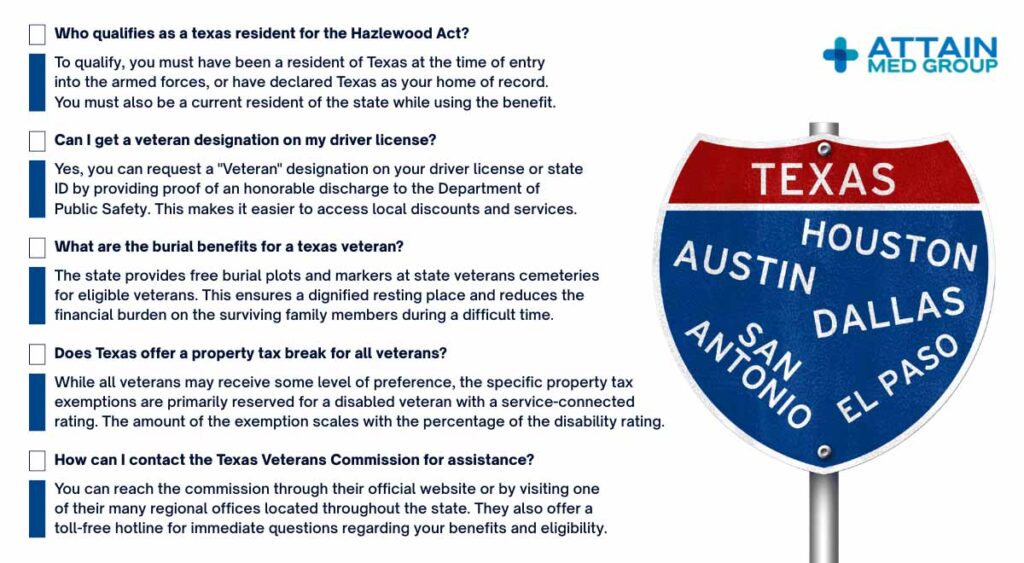
You can pursue a traditional undergraduate degree or complete a specialized certificate program without the burden of heavy student debt. Using this education benefit requires meeting specific eligibility criteria established by the state legislature to ensure the program remains sustainable. A person must have been a texas resident at the time they entered the armed forces to qualify for these specific exemptions. Additionally, the applicant must currently reside in the state and maintain satisfactory academic progress in their chosen field of study.
They also need an honorable discharge documented on their official military separation papers, commonly known as the DD-214 form. If you exhaust your federal gi bill® funding, the Hazlewood Act steps in to cover remaining costs for your continued education. Spouses and dependent children can also receive education benefits under certain qualifying conditions, such as the service member’s total disability or death. This flexibility ensures that the entire family unit can benefit from the educational opportunities earned through military service.
The Hazlewood Legacy Act allows a texas veteran to transfer unused credit hours to an eligible child, providing a massive financial head start. Furthermore, the surviving spouse of a service member killed in action receives their own 150 credit hour allotment for professional development. These education benefits create generational opportunities for families who sacrificed for their country, fostering a legacy of learning and professional achievement. By removing financial barriers, texas offers a clear path toward advanced degrees and specialized technical training for all eligible residents.
Prospective students should coordinate with the financial aid office at their chosen institution to ensure all state requirements are met before registration. Many universities have dedicated veteran resource centers that specialize in processing Hazlewood applications alongside federal benefits. These centers provide a community space where student veterans can connect and support one another through the rigors of academic life. This holistic approach to education ensures that veterans are not only enrolled but also supported through to graduation.

Property Tax Relief for a Disabled Veteran and Homeowners
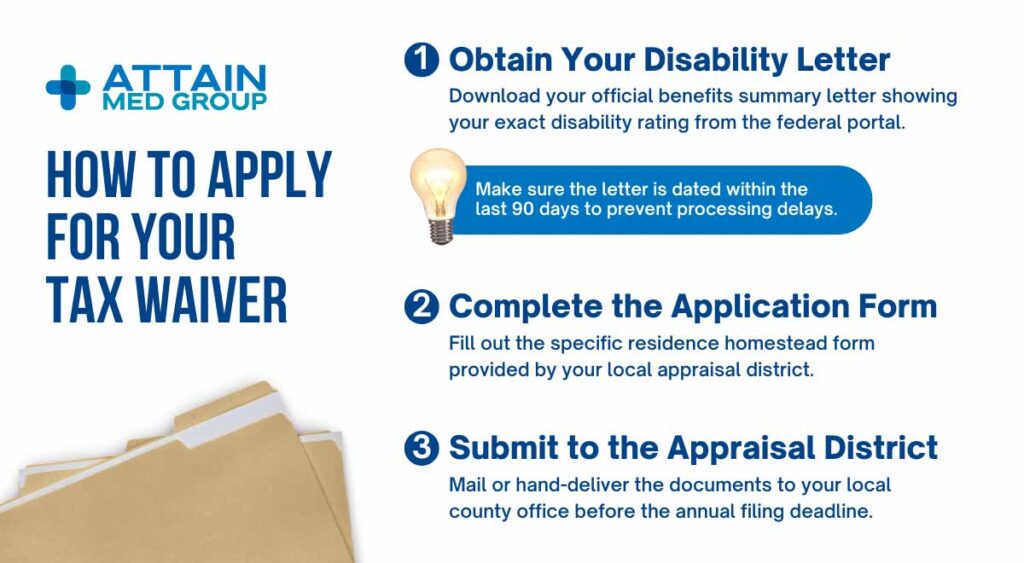
Homeownership becomes much more affordable through significant local tax reductions available statewide for those who have sustained injuries during their service. The local appraisal district grants a specific tax reduction based on a person’s documented disability rating provided by the federal government. A disabled veteran with a rating between 10 and 100 percent qualifies for varying levels of financial relief on their property taxes. These savings can amount to thousands of dollars annually, allowing families to invest more in their local communities and personal savings.
These deductions lower the assessed value of a primary residence, which directly reduces the annual tax bill for the qualifying homeowner. An individual who holds a 100% service-connected disability receives the most substantial benefit available under current state law. Texas law provides a total property tax exemption for these individuals on their primary residential home, regardless of the home’s total value. This policy reflects the state’s deep commitment to supporting those who have given the most in service to the nation.
This provision means the homeowner pays absolutely zero local taxes on their designated homestead property, providing immense long-term financial security. Surviving spouses of these disabled veterans can inherit this complete property tax exemption if they remain unmarried and continue living in the home. You must file the appropriate paperwork with your county appraisal district to activate these tax exemptions and begin receiving your benefits. It is important to monitor local deadlines to ensure that your application is processed before the next tax cycle begins.
The application requires a recent letter from veterans affairs confirming your current va disability rating and the nature of your service. Many texas veterans miss out on these savings because they do not realize they qualify for these specific state-mandated exemptions. Proactive filing guarantees you receive the exact tax relief mandated by state law, protecting your home and your financial future. Local tax offices are generally helpful in explaining the specific forms required for a disabled veteran to claim their rightful exemption.
In addition to disability-based exemptions, some Texas counties offer additional homestead credits for residents over the age of 65. Veterans who qualify for both disability and age-related exemptions can significantly lower their overall tax burden through strategic filing. It is advisable to consult with a tax professional or a veterans service officer to maximize these potential savings. These financial protections are a vital component of the Veterans Benefit program in Texas, ensuring long-term housing stability for those who served.
Health Care, VA Disability, and Mental Wellness
Access to quality health care remains a top priority for former military personnel residing in the state of Texas. The federal va health system operates numerous medical centers and outpatient clinics across Texas counties, providing specialized care for veterans. Service members transitioning from active duty can enroll in these facilities for comprehensive medical treatment and long-term wellness monitoring. These facilities are equipped with the latest technology and staffed by professionals who specialize in military-related health concerns.
A disabled veteran often receives priority scheduling and free care for conditions related to their service through the va disability system. Mental wellness programs receive significant funding and attention from state leadership and community organizations to address the invisible wounds of war. The state coordinates specialized suicide prevention initiatives specifically designed for the military community, offering 24/7 support for those in crisis. These programs are essential for maintaining the overall health and stability of the veteran population across the state.
Counselors who understand the experiences of the armed forces provide confidential therapy sessions to help individuals process their service-related trauma. This health care network creates a safety net for individuals managing post-traumatic stress or severe depression after returning home. Members of the national guard also qualify for specific counseling services and medical support during and after their service periods. By providing these resources, the state ensures that mental health is treated with the same urgency as physical injuries.
The state recognizes that reserve components face distinct challenges during deployments and training exercises that can impact their civilian careers. Former service members can access peer support groups that foster connection and mutual understanding among those who have shared similar experiences. These local prove invaluable for those adjusting to civilian life after military service, providing a sense of community. Strengthening these networks is a primary goal of the Veterans Benefit program in Texas as it evolves to meet modern needs.
Texas also supports the “Military Veteran Peer Network,” which connects veterans with trained peers who can offer guidance and support. This network operates on the principle that those who have served are best equipped to help their fellow service members. By fostering these connections, the state reduces the isolation that often accompanies the transition to civilian life. These peer-led initiatives are a testament to the enduring bond shared by all who have worn the uniform.
Employment and Financial Aid Resources for Disabled Veterans
Securing meaningful work represents a crucial step for individuals leaving the military and entering the civilian workforce. The state offers robust employment benefits that give former service members a competitive edge in the job market through various initiatives. State agencies must provide a hiring preference for any open veteran job before considering the general public for the same position. This policy ensures that the unique skills acquired in the military are utilized to benefit the state’s public infrastructure and services.
This policy rewards the leadership skills and discipline acquired during active duty assignments in the armed forces. When economic hardships strike, specific financial aid programs provide emergency assistance to families in need of immediate support. The Fund for Veterans’ Assistance awards grants to local charities that distribute direct financial aid for housing and utilities. These grants are vital for preventing homelessness and ensuring that families can remain in their homes during temporary financial setbacks.
These funds help cover essential expenses like rent, utility bills, and basic groceries during difficult times for struggling families. A texas veteran facing eviction or utility disconnection can request immediate intervention through these local partners to find a resolution. How do you protect your family from unexpected hardships while transitioning to a new career path? The state provides various workshops and career counseling sessions to help veterans translate their military experience into civilian resumes.
Various life insurance options exist specifically for military personnel and their dependents to provide long-term peace of mind. The state agency can help individuals review their policies and update beneficiary designations accordingly to reflect their current family situation. Proper financial planning prevents future hardships for a surviving spouse and ensures that the veteran’s legacy is protected. These resources are a key component of the comprehensive support offered to disabled veterans and their families throughout the state.
The Texas Workforce Commission also partners with local businesses to encourage the hiring of veterans through tax incentives and recognition programs. Employers who actively recruit from the military community often find that veterans bring unparalleled work ethic and technical proficiency to their teams. These public-private partnerships are essential for maintaining a strong state economy and a high employment rate among former service members. By bridging the gap between military service and civilian employment, Texas remains a leader in veteran workforce integration.

Texas Veterans Land Board and Housing Loans
The Texas Veterans Land Board (VLB) provides unique opportunities for land and home ownership that are not found in most other states. Through the VLB, a texas resident who has served in the military can access low-interest loans for land, home purchases, and home improvements. These loans often feature more favorable terms than commercial lending options, making it easier for veterans to establish roots in Texas. The VLB also operates state-of-the-art long-term care homes for veterans who require more intensive daily support.
For those looking to build or buy, the VLB home loan program can be used in conjunction with federal VA loan guarantees. This dual-layered support allows for competitive interest rates and minimal down payment requirements for eligible applicants. Additionally, the VLB land loan program allows veterans to purchase tracts of land at least one acre in size with only a five percent down payment. This program has helped thousands of veterans become landowners in the Great State of Texas over the past several decades.
The VLB also offers a home improvement loan program that provides up to $50,000 for necessary repairs or energy-efficient upgrades. These loans are particularly beneficial for veterans who wish to modify their homes for increased accessibility due to service-connected disabilities. By providing these specialized financial products, the VLB ensures that veterans can maintain safe and comfortable homes for their families. The board’s commitment to service is reflected in its personalized customer support and streamlined application processes.
Specialized Support for Women Veterans in Texas
Texas is home to one of the largest populations of women veterans in the United States, and the state has developed specialized programs to meet their unique needs. The Women Veterans Program, a division of the Texas Veterans Commission, focuses on increasing awareness of the benefits and services available to female service members. This program ensures that women veterans have equal access to healthcare, employment, and financial resources tailored to their specific experiences. By addressing gender-specific challenges, the state fosters an inclusive environment for all who have served.
The program also hosts annual conferences and networking events that provide a platform for women veterans to share their stories and build community. These events often feature workshops on leadership, entrepreneurship, and health and wellness, empowering women to excel in their post-military lives. Additionally, the state works closely with VA medical centers to ensure that women’s health services are comprehensive and easily accessible. This dedicated advocacy is a critical component of the Veterans Benefit program in Texas, recognizing the vital contributions of women in the armed forces.
Legal Assistance and Advocacy for the Military Community
Navigating legal challenges can be daunting for anyone, but veterans often face unique issues related to their service and benefits. Texas offers several programs that provide free or low-cost legal assistance to eligible veterans and their families. The “Texas Lawyers for Texas Veterans” initiative, sponsored by the State Bar of Texas, connects veterans with pro bono legal services for civil matters. These services can include assistance with family law, consumer disputes, and landlord-tenant issues, providing a vital resource for those in need.
Furthermore, the state supports Veterans Treatment Courts, which offer a rehabilitative alternative to the traditional criminal justice system for veterans struggling with substance abuse or mental health issues. These courts focus on providing the necessary treatment and support to help veterans successfully reintegrate into society. By addressing the underlying causes of legal involvement, these programs reduce recidivism and promote long-term stability. This commitment to justice and advocacy ensures that veterans are treated with the respect and dignity they have earned.

Driver License and Recreation Privileges
Texas offers several practical daily benefits that simplify life for those who have served in the military. For instance, an eligible disabled veteran can obtain a specialized driver license or ID card that clearly indicates their veteran status. This designation can be used to verify eligibility for various private-sector discounts without needing to carry a DD-214. Furthermore, the state waives the fees for a driver license for veterans with a service-connected disability of at least 60 percent.
Recreational opportunities are also expanded through the Veterans Benefit program in Texas, which includes free or discounted hunting and fishing licenses. The “Super Combo” license is available at no cost to disabled veterans, allowing them to enjoy the state’s vast natural resources. Additionally, the Texas State Parklands Passport provides free entry to all state parks for those with a service-connected disability. These recreation benefits encourage wellness and outdoor activity, which are vital for a healthy transition to civilian life.
The state also offers specialized license plates for veterans, allowing them to proudly display their branch of service or specific military honors. These plates often come with additional benefits, such as exempting the vehicle from certain parking fees in municipal areas. This public recognition of service is a small but meaningful way the state shows its appreciation for the military community. By integrating these benefits into daily life, Texas ensures that veterans feel valued and supported in every aspect of their civilian experience.
Texas Burial Benefits and State Cemeteries for the Texas Military
Honoring the final resting place of those who served is a solemn duty that the state takes very seriously. Texas burial benefits include the provision of state veterans cemeteries that offer a dignified and beautiful environment for interment. There are currently four state veterans cemeteries located in Abilene, Mission, Corpus Christi, and Killeen, serving different regions of the state. These sites are maintained to the highest standards, mirroring the prestige of national cemeteries like Arlington.
For an eligible texas veteran, the state provides a burial plot, a headstone or marker, and perpetual care at no cost to the family. Spouses and dependent children may also be eligible for burial in these hallowed grounds for a small fee. The texas military department often coordinates with local honor guards to ensure that military honors are provided during the service. This final benefit ensures that the sacrifice of the service member is recognized and remembered for generations to come.
Families can also request a Presidential Memorial Certificate to honor the memory of their loved one’s service. The state cemeteries are designed to be places of reflection and peace, providing a fitting tribute to the bravery and dedication of Texas veterans. By providing these final honors, the state offers comfort and support to grieving families during their time of loss. This enduring commitment to those who served is a cornerstone of the Veterans Benefit program in Texas.
Important Documentation Note
Always keep multiple certified copies of your DD-214 and your latest VA disability award letter. These documents are the “golden keys” to unlocking almost every benefit mentioned in this guide, from property tax exemptions to education waivers.
Frequently Asked Questions about Veteran Benefits
Conclusion
The Veterans Benefit program in Texas stands as one of the most comprehensive support systems in the United States for former service members. From the educational power of the Hazlewood Act to the significant financial relief of property tax exemptions, the state ensures its heroes are cared for. By utilizing the resources of the Texas Veterans Commission and the Veterans Land Board, you can secure a stable and prosperous future for your family. Whether you are seeking a new career, a new home, or continued education, the Great State of Texas offers the tools you need to succeed after your military service concludes.
As the needs of the veteran community continue to evolve, Texas remains committed to adapting its programs and services accordingly. This proactive approach ensures that the state remains a national leader in veteran advocacy and support. By fostering a culture of respect and gratitude, Texas honors the legacy of all who have served in the armed forces. We encourage every eligible veteran to explore these benefits and take full advantage of the opportunities they have earned through their dedicated service to our nation.