

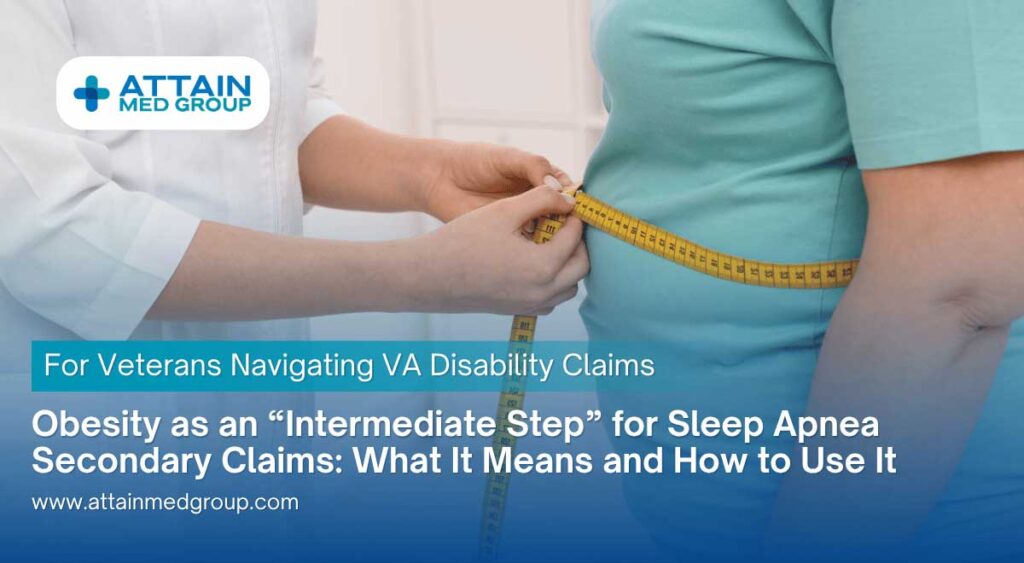
Veterans often face frustrating uphill battles when filing a va disability claim for severe respiratory disorders that impact their daily quality of life. Understanding how to use Obesity as an “Intermediate Step” for Sleep Apnea. Linking your current breathing struggles directly to your military service requires a perfectly clear path of medical documentation and expert testimony. Sometimes, a direct medical link simply does not exist for a condition like sleep apnea, making it necessary to pursue a secondary service connection through other established medical pathways.
Instead, a primary physical injury or mental health condition might cause substantial weight gain over a period of several long years following your discharge. This excessive weight gain then triggers severe obstructive sleep apnea by heavily restricting your airway during the night and causing chronic fatigue. You can establish this critical medical connection by using an obesity claim as an intermediate step to service connect your condition effectively. By proving that your service-connected disability led to obesity, which in turn caused your sleep apnea secondary to that weight increase, you can secure the va disability benefits you deserve.

The Department of Veterans Affairs allows veterans to successfully bridge the gap between a primary issue and a secondary condition on a secondary basis. You just need to prove with medical evidence, often through a high-quality nexus letter, that a service-connected condition directly caused the weight increase. We will explore exactly how this legal process works, how a nexus letter supports your case, and how you can win your va claim using free resources and expert guidance. This comprehensive guide will provide the roadmap necessary to navigate the complexities of disability law and secure a fair va rating.
The concept of an intermediate step is a powerful tool in disability law that allows for non-service-connected conditions to be linked to service. While the VA does not recognize obesity as a service-connected disability in itself, it does acknowledge that obesity can be the bridge between a service-connected condition and a new health condition. To service connect your sleep apnea, you must demonstrate that your service-connected disability (like a knee injury or mental health issue) led to weight gain, which then caused or aggravated your obstructive sleep issues.
This legal framework requires a clear nexus letter from a qualified medical professional who understands the VA’s specific evidentiary standards. The nexus letter must state that it is “at least as likely as not” that the veteran’s weight gain was caused by their connected disability. For example, if a veteran has a service-connected condition involving chronic back pain that prevents exercise, the resulting weight gain can be the intermediate step to service connect va sleep disorders. This pathway is vital for achieving a successful secondary service connection when a direct link is otherwise missing.
When you file a va disability claim using this method, you are essentially telling the VA that your sleep apnea secondary to obesity is actually a result of your original military service. This requires detailed medical records and a strong understanding of how va claims are processed by the regional office. Without a clear service connection, the claim will likely be denied, which is why the intermediate step strategy is so effective for obstructive sleep apnea cases. By focusing on the “bridge,” you provide the VA Rater with a logical and medically sound reason to grant your disability benefits.
Weight Gain: How Mental Health Conditions Drive Weight Changes and VA Disability

A mental health condition such as PTSD, depression, or anxiety is a frequent catalyst for significant weight gain among veterans. Many medications prescribed for mental health issues have side effects that include metabolic changes, lethargy, and significantly increased appetite. Furthermore, “emotional eating” is a common coping mechanism for those suffering from a service-connected disability related to psychological trauma or chronic stress. This weight gain can rapidly lead to obstructive sleep problems as the body’s physical structure changes over time.
When a veteran experiences weight gain due to a mental health condition, they may develop sleep apnea as a direct physiological consequence. To service connect va sleep apnea, the veteran must show that their mental health struggles made maintaining a healthy weight nearly impossible. This is where nexus letters become indispensable for proving the causal link between the mind and the body. A doctor can explain how the mental health condition led to a sedentary lifestyle and weight gain, which ultimately caused the apnea secondary to the primary service-connected condition.
In many disability claims, the VA will look for a “bridge” of evidence that spans the time from service to the current diagnosis. If you can show that your va disability for depression led to a 50-pound weight gain, and your sleep apnea began shortly after, you have a strong case for secondary service. This connection is a cornerstone of winning va disability benefits for respiratory issues that appear years after discharge from active duty. Using a disability calculator can help you understand how this new disability rating might impact your overall monthly compensation and healthcare access.
Obesity Claim: The Physiological Impact of Weight on Airway Health

Understanding the physiological link between an obesity claim and obstructive sleep apnea is crucial for your medical evidence. When a veteran gains significant weight, fat deposits often accumulate around the neck and throat area, which can narrow the airway significantly. This narrowing increases the likelihood that the airway will collapse during sleep, leading to the characteristic pauses in breathing associated with obstructive sleep. This physical change is the “intermediate” mechanism that connects your service-connected disability to your respiratory struggles.
The weight gain also increases abdominal pressure, which can reduce lung volume and make it harder for the body to maintain open airways at night. When you service connect your condition through this pathway, you are highlighting a biological reality that the VA must acknowledge. Medical research consistently shows that even a 10% increase in body weight can lead to a six-fold increase in the risk of developing obstructive sleep apnea. This data should be included in your nexus letter to provide a scientific foundation for your va disability claim.
By framing obesity as the intermediate step, you are not claiming obesity itself is the disability, but rather the cause of the disability. This distinction is vital in disability law, as it bypasses the VA’s refusal to rate obesity as a standalone condition. Your va claim becomes much stronger when you can point to specific physical changes that occurred as a result of your service-connected condition. This approach ensures that your va sleep apnea claim is viewed through the lens of causation rather than just a lifestyle choice.
Nexus Letter: Establishing the Medical Link for Secondary Service Connection
To win a va claim for sleep apnea secondary to obesity, you must have a high-quality nexus letter from a competent medical professional. This document is a formal medical opinion that links your service-connected disability to your current obstructive sleep apnea through the intermediate step. The nexus letter should explicitly mention the role of weight gain as the driving factor in your respiratory decline. It must explain the physiological or psychological reasons why your service-connected condition caused weight gain and how that weight gain resulted in sleep apnea.
A strong nexus letter will cite medical literature linking weight gain to obstructive sleep disorders to bolster its credibility. It should also review your entire medical history to rule out other potential causes, such as smoking or age-related factors. When seeking a secondary service connection, the quality of your nexus letters can be the difference between a 50% va rating and a total denial. Many veterans find success by working with claims insider experts who understand the specific language and formatting the VA looks for in these critical documents.
Remember that the VA’s duty to assist only goes so far in gathering the evidence needed for your va disability. You must take the initiative to provide the nexus letter that proves service connection beyond a reasonable doubt. This evidence is the foundation of your va disability case and provides the necessary “medical nexus” required by law. By clearly outlining the intermediate step, you provide the Rater with the roadmap they need to grant your secondary service claim and provide the va sleep apnea benefits you are entitled to.
Disability Law: Legal Precedents for Obesity as an Intermediate Step

The use of obesity as an intermediate step is supported by significant disability law and VA policy manuals, specifically the M21-1. The Court of Appeals for Veterans Claims (CAVC) has ruled in cases like Casel v. Shinseki that obesity can be a bridge to service connection. This means that if your service-connected disability causes obesity, and that obesity causes a secondary condition, the secondary condition is service-connected. Understanding these legal precedents is essential for any veteran filing a va disability claim for sleep apnea secondary to weight.
The VA’s own internal guidance acknowledges that obesity can be an “intermediate step” in a causal chain. This is a critical distinction because it allows for secondary service connection even when the primary condition didn’t directly cause the respiratory issue. For example, a veteran with a service-connected condition of the lower extremities may be unable to engage in aerobic exercise, leading to weight gain. This weight gain then becomes the intermediate step that the VA must recognize when evaluating the va claim for obstructive sleep apnea.
When drafting your va disability application, referencing these legal standards can help ensure your claim is handled correctly. It signals to the VA that you understand your rights under disability law and that you have a valid medical-legal theory. This level of preparation is often what separates successful va claims from those that get stuck in the appeals process for years. By leveraging the intermediate step framework, you are using the VA’s own rules to your advantage to secure your va disability benefits.
Obstructive Sleep Apnea: Required Evidence for Respiratory Health Claims and VA Claims
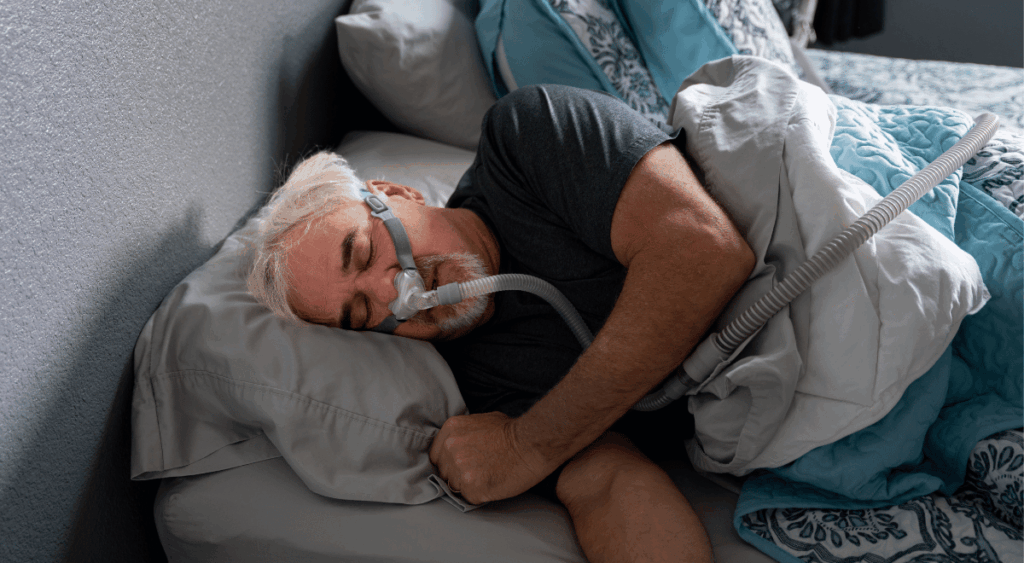
Filing for obstructive sleep apnea requires more than just a nexus letter; you need objective medical evidence that confirms your diagnosis. This usually starts with a formal sleep study (polysomnogram) showing a diagnosis of sleep apnea with a specific Apnea-Hypopnea Index (AHI) score. If you are seeking a 50% va rating, you must also show that a CPAP machine or other breathing device is medically necessary for your health. This evidence, combined with the weight gain documentation, forms the core of your va disability claim and proves the severity of your condition.
The VA will also look at your disability ratings for your primary conditions to see if they logically lead to weight issues. If you have a service-connected disability that limits mobility, ensure your records reflect how this led to weight gain over time. Consistent medical records showing your weight at discharge versus your weight at the time of the sleep apnea diagnosis are crucial. This data helps connect va sleep apnea to your time in service by showing the progression of the health condition from the date of your original va disability rating.
Furthermore, you should include lay statements (Buddy Letters) from spouses or roommates who can testify to your snoring, gasping, and daytime fatigue. While not medical evidence, these statements support the nexus letters by providing a timeline of when your obstructive sleep issues began in relation to your weight gain. This comprehensive approach is the best way to service connect your condition and secure va disability benefits. By providing a “360-degree” view of your health, you make it much harder for the VA to deny your secondary service connection.
VA Claim: Navigating the C&P Exam for Secondary Conditions

The Compensation and Pension (C&P) exam is a pivotal moment in your va disability claim process. When claiming sleep apnea secondary to obesity, the examiner will likely ask about your lifestyle, diet, and exercise habits. It is vital to emphasize that your weight gain is a direct result of your service-connected disability, not simply a matter of poor choices. You must clearly explain how your mental health condition or physical injury prevents you from maintaining a healthy weight, creating the intermediate step.
Be prepared to discuss the medications you take for your service-connected condition and their impact on your weight. Many veterans find it helpful to bring a copy of their nexus letter and medical evidence to the exam to ensure the doctor has all the facts. The goal of the C&P exam is to determine if there is a service connection, so stay focused on the link between your service and your current obstructive sleep issues. If the examiner seems skeptical, politely remind them of the intermediate step framework and how it applies to your specific va claim.
After the exam, you should request a copy of the examiner’s report to see if they supported your secondary service connection. If the report is unfavorable, you may need to provide additional independent medical evidence or a rebuttal letter. Working with va claims insider can help you prepare for these exams and understand what to expect from the process. Navigating the C&P exam with confidence is a major step toward winning your va disability benefits and achieving the va rating you deserve for your sacrifices.
VA Rating: Calculating Your Potential Compensation with a Disability Calculator
Once you successfully service connect va sleep issues, the VA will assign a va rating based on the severity of your symptoms. For sleep apnea, the disability rating is typically 0%, 30%, 50%, or 100%, depending on the level of respiratory impairment. A 50% va rating is common for those required to use a CPAP machine to maintain breathing during the night. When this is added to your existing service-connected condition, your total va disability pay can increase significantly, providing much-needed financial support. You should use a disability calculator to see how a new 50% rating affects your combined score.
The va rating system uses “VA Math,” which can be confusing for many veterans who expect a simple addition of percentages. Adding a 50% secondary service connection to a 50% primary rating does not equal 100% total disability. Instead, it equals 75%, which rounds to an 80% disability rating under the VA’s rounding rules. Understanding this is vital for managing expectations regarding your va disability benefits and long-term financial planning. A disability calculator is one of the best free resources available to help you plan your financial future after a successful va claim.
Winning a secondary service claim for apnea secondary to obesity can often push a veteran into a higher compensation bracket, including eligibility for Special Monthly Compensation in some cases. This is why the intermediate step strategy is so valuable for those with multiple medical conditions. By focusing on the service connection through weight gain, you open the door to a higher va rating that accurately reflects the total impact of your military service on your current health. This compensation is a vital resource for managing the costs of ongoing medical care and respiratory equipment.
VA Disability: Avoiding Common Pitfalls with VA Claims and Service Connection
One of the biggest mistakes veterans make when trying to service connect sleep apnea is failing to provide a clear medical link. Simply being overweight and having sleep apnea is not enough to win a va disability claim; you must prove that a service-connected disability caused the weight gain. Without this link, the VA will view the obesity as a lifestyle choice rather than a consequence of a service-connected condition. This is why nexus letters and detailed medical evidence are so critical to the success of your obesity claim.
Another pitfall is not having a current diagnosis from a qualified sleep specialist. You cannot connect VA sleep issues if you haven’t had a recent sleep study that confirms the presence of obstructive sleep apnea. The VA requires current evidence of the health condition to grant disability benefits and assign a va rating. Additionally, ensure that your va claims specifically mention the intermediate step of obesity in the initial filing. If you just file for sleep apnea secondary to a knee injury without explaining the weight gain, the Rater may not see the connection and deny the claim.
Finally, many veterans give up after an initial denial, which is often just the first step in a longer process. The va disability process is often a marathon, not a sprint, requiring persistence and attention to detail. If your secondary service connection is denied, review the Reasons for Decision carefully to identify the gaps in your va claim. Often, the missing piece is a more detailed nexus letter or more specific evidence of weight gain over a specific period. Working with va claims insider can help you navigate these setbacks and refine your disability claims for a successful appeal.
VA Claims Insider: Working with Experts to Win Your Case and Elite Membership
Navigating the complexities of disability law can be overwhelming for any veteran trying to manage their own va disability claim. This is where va claims insider provides essential support and expert guidance through the entire process. By joining the elite membership, veterans gain access to a community of experts who specialize in secondary service connection strategies and nexus letters. They can help you identify the medical conditions that qualify as an intermediate step and guide you through the process of obtaining the necessary medical evidence.
Claims insider experts understand the nuances of how to service connect respiratory issues and other complex health conditions. They can provide free resources to help you understand your disability ratings and how to maximize your va rating through proper documentation. Whether you are struggling with weight gain from a physical injury or a mental health condition, having a team in your corner can significantly increase your chances of a successful va claim. The elite membership is designed to take the guesswork out of the VA system and put the power back in the hands of the veteran.
The elite membership offers a structured path to winning your va disability benefits through education and community support. From preparing for your C&P exam to ensuring your nexus letter meets the highest VA standards, va claims insider is dedicated to helping veterans get the service connection they earned. Don’t leave your sleep apnea secondary claim to chance; use the expertise available to secure your future and your health. With the right support, you can navigate the va disability system with confidence and achieve the results you deserve.
Nexus Letters: The Importance of Independent Medical Opinions for Service Connection
An independent medical opinion (IMO), often delivered in the form of nexus letters, is the most critical piece of evidence in an intermediate step claim. Unlike a standard VA doctor who may have limited time, an independent physician can take the time to thoroughly review your records and write a detailed nexus letter that specifically addresses the link between your service-connected disability, your weight gain, and your obstructive sleep apnea. This level of detail is often what wins disability claims that were previously denied for lack of evidence.
When you seek a nexus letter, ensure the doctor is familiar with va disability requirements and the “at least as likely as not” standard. They must use the correct legal language to service connect your condition effectively in the eyes of the VA Rater. The doctor should explain that your weight gain was not a choice, but a direct result of your service-connected condition and its impact on your life. This makes the apnea secondary to the primary injury, facilitating a secondary service connection that is medically and legally sound.
Having multiple nexus letters from different specialists can also strengthen your case and provide a more robust va claim. If both a mental health professional and a primary care doctor agree that your mental health condition led to weight gain and subsequent sleep apnea, the VA will find it much harder to deny your va disability benefits. This investment in independent medical evidence is the most effective way to service connect va sleep disorders and achieve a fair va rating. High-quality nexus letters are the key to unlocking the benefits you have earned through your service.
Service Connection: Conclusion on Respiratory Secondary Claims and VA Disability Benefits

Winning a va disability claim for sleep apnea using obesity as an intermediate step is a proven strategy for many veterans who face a difficult path to service connection. By focusing on the service connection between your primary service-connected disability and your weight gain, you can successfully bridge the gap to obstructive sleep disorders. This process requires patience, detailed medical evidence, and a strong nexus letter to prove your case to the VA beyond a reasonable doubt. Your health and your benefits are worth the effort it takes to build a strong case.
Remember to use all available free resources, including a disability calculator, to understand your potential disability rating and monthly compensation. Whether you are working with va claims insider or filing on your own, the key is to remain persistent and well-informed throughout the va claim process. Your va disability benefits are a reflection of your service and the sacrifices you made for your country; ensuring you have the correct service connection for your sleep apnea secondary to weight gain is a vital part of receiving the compensation you deserve.
In conclusion, don’t let the complexity of disability law or the threat of a denial discourage you from seeking the va disability rating you earned. With the right nexus letters and a clear understanding of the intermediate step framework, you can overcome the hurdles of the va claim process and secure your future. Secure your va sleep apnea rating today and ensure your health condition is properly recognized as a service-connected disability. Your journey to a successful va disability claim starts with understanding your rights and using every tool at your disposal to win.