


Many veterans return home with severe injuries or chronic illnesses directly connected to their active military service. Understanding How the VA Disability Claim Process Really Works is essential for ensuring you receive the disability compensation you deserve without unnecessary delays. Getting the financial support you rightfully earned should never feel like an impossible or overwhelmingly frustrating task. A clear understanding of the federal system makes a massive difference for your long-term financial stability. When filing a new va claim, it takes significant time and energy for most individuals transitioning to civilian life. You need to know how the va disability process actually functions from start to finish before applying. We will explain what happens from the moment you submit your va disability claim to the agency. You will learn exactly what to expect before you receive your final disability rating in the mail.
The journey toward securing va benefits often begins with a realization that a service-connected condition is impacting your quality of life or ability to work. This realization should prompt immediate action to submit evidence and protect your rights as a veteran. The claims process is designed to be veteran-centric, yet the administrative requirements can be rigid and demanding. By educating yourself on the va claim process, you position yourself to navigate the va regional office requirements with confidence. This guide provides the roadmap you need to move from initial application to a successful claim decision.
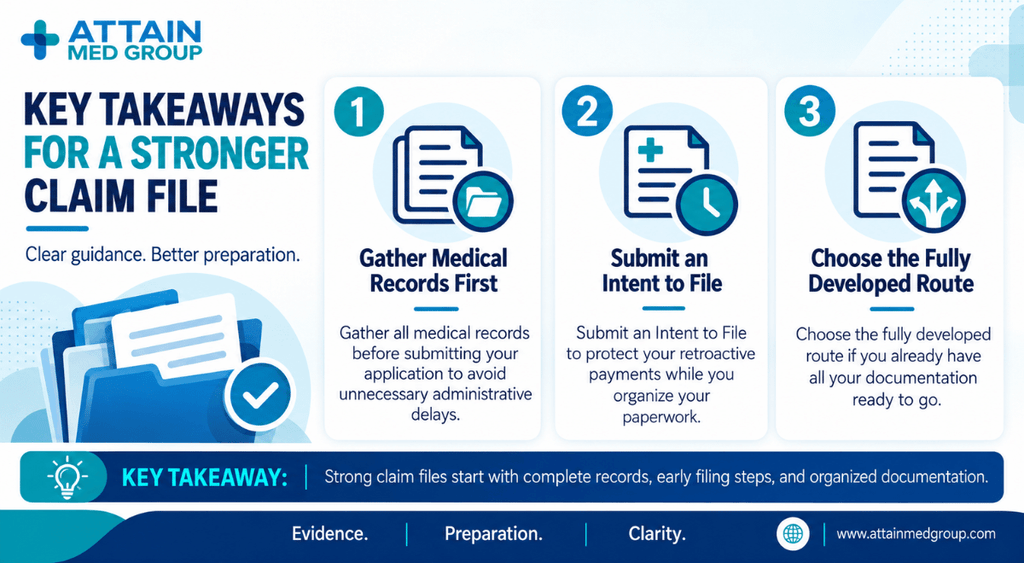
Before you send anything to the claims intake center, careful preparation strongly impacts your overall success rate. You need solid proof to show your medical condition links directly to your active duty military service. This means you must gather evidence, including all relevant private medical records and official va medical documentation, before applying. Many veterans find that organizing their evidence chronologically helps the adjudicators understand the progression of their service-connected disabilities over time. A well-organized file reduces the time a va regional employee spends searching for key facts.
You can mail physical copies to the designated po box or upload them through the official portal. The claims intake team scans your submitted documents into a massive digital database for immediate administrative review. Many veterans partner with a recognized veterans service organization or consult an accredited attorney to help organize these critical medical files. Having a professional review your va form ensures that no technical errors prevent your application from being processed efficiently by the regional office. These experts understand the nuances of disability ratings and how to present a compelling case.

A trained representative or a qualified claims agent knows exactly what the agency needs to see to approve a complicated disability claim. They can review your military service records and help you identify potential service connections you might miss. Proper preparation helps you avoid common administrative pitfalls that unnecessarily delay the overall claims process for months. Furthermore, securing a strong nexus letter from a medical professional can provide the vital link between your current diagnosis and your time in the military. This medical nexus is often the deciding factor in whether a va disability claim is granted or denied.
Pro Tip: Before you start filling out your official paperwork, submit an Intent to File form through the website. This establishes your effective date for potential retroactive payments while you gather your remaining medical records and evidence.
Understanding the Different Types of Disability Benefits Claims You Can Submit
The system offers different filing routes depending on your specific situation and your current level of readiness. You can submit a standard claim, which means the agency will actively help you retrieve missing records. Filing standard claims works well if you need assistance gathering documents from other federal facilities or hospitals. This method provides a safety net for those who may not have immediate access to their complete military medical history or private medical treatment records. However, the standard claim route is generally the slowest path to a va decision.
Alternatively, you can file fully developed claims to speed up your expected timeline by several months. This requires you to submit every single piece of medical evidence up front with your initial application. By taking on the responsibility of evidence collection yourself, you reduce the administrative burden on the claims intake center and potentially receive a faster va decision. Developed claims are prioritized because they are “ready to rate,” meaning a rater can often make a decision without requesting further information from the veteran.
Fully developed claims process much faster because the agency needs less time to hunt down scattered information. Properly developed claims give raters everything they need to make a fast and highly accurate legal decision. You must submit evidence quickly if you want to maintain this expedited status throughout the entire evaluation. If the agency discovers that evidence is missing, they may convert your application back to a standard claim, which will extend the processing time significantly. It is vital to ensure your va medical files are complete before choosing the FDC route.
Sometimes veterans file special claims for specific situations requiring additional documentation or specialized handling by the staff. These might involve presumptive conditions related to toxic agent orange exposure during the Vietnam War era or modern burn pit exposure. You might also need to submit claims for adaptive equipment if you have severe permanent mobility limitations. Understanding these categories ensures you apply for all the va benefits you are eligible for based on your unique service history and current health care needs. Specialized claims often require specific va form types to be processed correctly.
The Official VA Claim Process: How the VA Disability Claim Process Really Works Step-by-Step
Let us look at the actual va claim process from start to finish so you know what happens. Understanding these administrative phases helps you track your progress and manage your personal expectations realistically. You can easily monitor your status online through the official Department of Veterans Affairs website. Each stage represents a critical milestone in the journey toward receiving your disability benefits and long-term support. The va disability claim journey is often a marathon, not a sprint, requiring persistent follow-up.
A well-prepared va disability claim moves through the system much faster than an incomplete or messy application. Every disability claim requires strong medical evidence to successfully pass through these rigid administrative checkpoints. Understanding the va disability system takes time and patience for most applicants seeking financial support. It is important to remember that the timeline can vary significantly based on the complexity of your medical conditions and the volume of claims currently being processed at your va regional office.
How Your Claim Moves Through the System
- Claim Received
The claims intake center officially logs your submitted va form into the digital tracking system for processing.
2. Initial Review
A representative at the va regional office looks at your initial submission to verify basic legal eligibility.
3. Gather Evidence
The agency will gather evidence by collecting internal records and requesting external files to thoroughly evaluate your disability claim.
4. Preparation for Decision
The staff reviews the complete file to make a fair and accurate claim decision for you.
The C&P Exam: What Happens During the VA Benefits Claim Exam
The agency might ask you to attend a claim exam, also widely known as a C&P (Compensation and Pension) exam. This mandatory appointment helps an independent medical professional evaluate the current severity of your physical or mental condition. A contracted doctor or va medical physician will review your medical records and ask very specific questions about your service history. These exams are a cornerstone of the va disability claim process, providing the clinical data needed for an accurate disability rating.
You must attend this appointment if the agency schedules one for you at a local medical clinic or va regional facility. Missing your claim exam can cause immediate delays or lead to an outright denial of your va claim. The examiner will submit a detailed diagnostic report to the va regional office shortly after your visit. This report, often called a Disability Benefits Questionnaire (DBQ), serves as a primary piece of evidence for the rating specialist who decides your case. It is often the most influential document in the entire claims process.
Honesty during this evaluation remains absolutely critical for an accurate assessment of your daily physical limitations. You should explain exactly how your symptoms affect your life on your absolute worst days, rather than how you feel at the moment of the exam. Downplaying your daily pain can result in inaccurate disability ratings that do not reflect your reality. It is often helpful to bring a list of your symptoms and how they interfere with your work or social life to ensure nothing is overlooked during the brief examination. Remember, the examiner is there to document your va disability, not to provide treatment.
️ Warning: Never skip your scheduled claim exam without notifying the facility well in advance. Unexcused absences almost always result in an automatic denial of your pending va disability claim application.
Analyzing Results: Receiving Your VA Decision Letter and Ratings

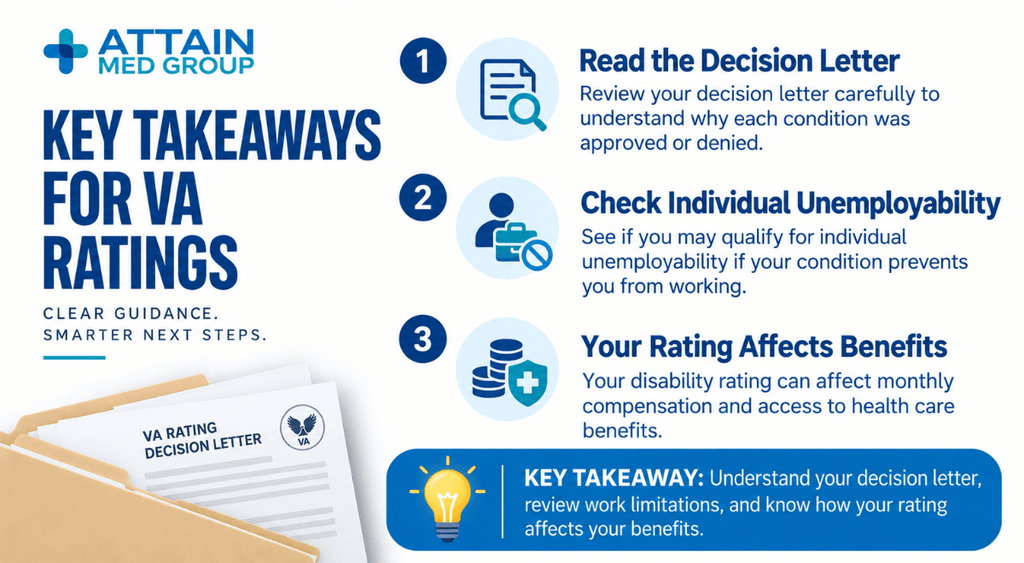
After the review phase finishes, the va regional staff finalizes your results and mails them out. You will receive a detailed decision letter explaining the exact findings for each claimed medical condition. This crucial document outlines the specific medical evidence the raters used to reach their formal conclusions. Understanding the reasoning behind each va decision is vital if you need to pursue further action or clarification. The decision letter will also list any evidence that was considered but not found to be service-connected.
This paperwork includes your official disability rating, which determines your exact monthly disability compensation amount. Ratings range from zero to one hundred percent based on the severity and impact of your conditions. A higher disability rating generally translates to increased financial support and better access to VA health care. The rating schedule is complex, often combining multiple disabilities using a specific formula known as “VA math” rather than simple addition. This means two 50% ratings do not equal a 100% total va disability rating.
If your conditions prevent you from holding a steady job, you might qualify for individual unemployability (TDIU). This program allows you to receive disability compensation at the highest rate even with a lower combined score. Securing this specific va benefit provides crucial financial stability for your family during incredibly difficult times. It requires additional evidence showing that your service-connected disabilities are the primary reason you cannot maintain substantial gainful employment. You may need to provide employment history and private medical opinions to support a TDIU claim.
A successful va disability claim application changes lives by providing long-term economic security and vital medical support. The final disability rating determines exactly how much tax-free money you will receive every single month. Your initial payout might also include significant retroactive payments dating back to your original filing date. This retroactive payment can be a substantial sum, helping veterans catch up on bills or invest in their future after a long waiting period. Always verify the effective date on your decision letter to ensure your back pay is calculated correctly.
Appeals and Higher-Level Review: What to Do If You Disagree
If you are unhappy with the results of your va claim, you have several decision review options available to challenge the outcome. The modern appeals system allows you to choose the path that best fits your situation and the evidence you have. You might choose to file a supplemental claim if you have discovered new and relevant evidence that was not part of your original submission. This route is often the fastest way to get a new look at your case when additional medical records become available. A supplemental claim requires the submission of information the VA has not seen before.
Another option is to request a higher-level review, where a more experienced senior adjudicator reviews your existing file. During a higher-level review, you cannot submit evidence that is new, but you can point out errors in how the law was applied to your case. This is an excellent choice if you believe the evidence already in your file clearly supports a higher disability rating than what was granted. A decision review of this nature ensures that administrative mistakes are corrected by seasoned professionals within the va regional office. You can even request an informal conference to speak directly with the reviewer.
Finally, you can appeal directly to the Board of Veterans’ Appeals for a comprehensive decision review by a Veterans Law Judge. This process takes the longest but offers the most thorough legal examination of your va disability claim. Throughout any decision review, maintaining your original effective date is possible as long as you file within the required one-year timeframe. Navigating these complex legal waters is often easier with the help of an accredited attorney or claims agent who understands the intricacies of the appeals process. They can help you decide which of the three lanes is most likely to result in a favorable va decision.
Conclusion
Navigating the federal system to secure your hard-earned va benefits requires persistence, organization, and a clear understanding of the rules. By following the steps outlined above and ensuring your medical evidence is comprehensive, you significantly increase your chances of a favorable outcome in the va disability claim process. Whether you are filing for the first time or seeking a higher-level review of a previous decision, remember that resources like a veterans service organization are available to help you every step of the way. Your service to the country has earned you these protections, and the disability claim process is the gateway to the support you deserve.
As you move forward, keep detailed records of all interactions with the va regional office and the claims intake center. Staying proactive and informed ensures that you are not just another number in the system, but a veteran who is actively managing their va claim. The road to receiving disability compensation may be long, but the financial and medical security it provides is well worth the effort. From the initial va form to the final decision letter, your commitment to the process is the key to unlocking the va disability benefits you have rightfully earned through your dedicated service.