


Filing a successful application for benefits requires strict attention to detail and a solid strategy. Many former service members struggle to obtain the compensation they deserve because they make avoidable errors during the initial claim filing process.
Learning How to Win a VA Disability Claim Without Costly Mistakes is the first step toward securing your future and ensuring your family is protected. A well-prepared va disability claim relies on solid documentation, comprehensive medical records, and a clear understanding of federal guidelines provided by the Department of Veterans Affairs.
Navigating this complex bureaucracy often feels overwhelming, yet understanding the specific requirements for your initial claim can significantly reduce the time spent waiting for a decision. By approaching the process with a methodical mindset, you can avoid the common traps that lead to immediate denials or years of frustration.
You must gather the right documentation before submitting your paperwork to the government. Incomplete forms or missing evidence can lead to unnecessary delays or denials.Learning how to avoid common mistakes can improve your chances of a favorable outcome for your VA disability claim. A strong application should include clear, complete, and relevant evidence.
Treat your VA disability claim as a legal case that requires organized supporting documentation. Your records should clearly show the severity of your condition and how it affects your daily life.Taking a proactive and organized approach can help ensure the VA has the information needed to evaluate your claim accurately.
A strong disability claim takes time to build properly from the ground up, starting with a clear diagnosis. Understanding the rules of va disability is essential for anyone starting this process, especially regarding the rating criteria used by adjudicators. Applying for va disability benefits requires patience and careful preparation to prevent painful mistakes that could result in a lower rating than you deserve.
Every piece of evidence you provide serves as a building block for your eventual rating and monthly compensation amount. Without a strategic plan, even the most deserving veterans can find themselves lost in a sea of paperwork and administrative hurdles. Taking the time to educate yourself now will pay dividends in the form of a smoother, more successful claims experience.
Getting approved for va disability compensation requires three specific elements that you must prove completely to the rating authorities. First, you need a current medical diagnosis from a qualified healthcare professional detailing your condition and its daily impact. Second, you must provide service records showing an event, injury, or illness occurred during active duty that caused the issue. This documentation forms the core of your va claims file and serves as the primary evidence for the reviewer. Without these foundational pieces, the VA cannot legally grant service connection, regardless of how much pain or discomfort you are currently experiencing.
The third element involves establishing a direct service-connected disability link between your current condition and your military service. This is where a strong nexus letter becomes critical for your overall success in the va disability claims process. A nexus letter is a detailed medical opinion from a doctor stating that your condition is “at least as likely as not” caused by your service.
Providing clear evidence linking your current diagnosis to a specific in-service event is the most common hurdle for many veterans. Without this specific phrasing and medical reasoning, your disability claim may face an immediate denial or a significantly reduced rating. Medical professionals must explain the “how” and “why” behind the connection to satisfy the VA’s strict evidentiary standards.
To build this foundation, you should start by requesting your complete medical records from both military and private providers. These records provide the chronological history of your health and help establish the timeline necessary for a veteran disability award. If you find gaps in your records, you may need to provide “buddy statements” from family members or fellow service members. These statements act as additional evidence to fill in the blanks where official paperwork might be missing or incomplete. Lay evidence can be incredibly powerful when it corroborates the medical history found in your official files. By painting a complete picture of your health journey, you make it much harder for the VA to deny your legitimate claim.

Initial Claim Pitfalls: Common Errors That Sabotage an Initial VA Claim

One of the most frequent mistakes veterans make is failing to file claims for all related conditions at the same time. Many claimants focus only on their primary injury while ignoring secondary conditions that are also eligible for disability benefits. For example, a knee injury might lead to back pain, which should be included as a secondary service-connected disability. By capturing the full scope of your health issues during your initial claim, you ensure that your va disability rating accurately reflects your level of impairment. Neglecting secondary conditions often results in a lower combined rating, which can significantly impact your monthly compensation and access to other resources.
Another common pitfall is missing the strict deadlines associated with the va disability appeal process or failing to attend a C&P exam. The C&P exam is a pivotal moment in your va claim where a doctor evaluates your condition. If you miss this appointment without a valid reason, the veterans affairs office will likely deny your claim automatically. Always confirm your contact information is updated in the system to receive timely notifications about these critical appointments. Furthermore, you should prepare for these exams by reviewing your own medical history so you can speak accurately about your symptoms. Being well-prepared for the examiner’s questions can prevent misunderstandings that might lead to an unfavorable medical opinion.
Furthermore, many veterans provide vague descriptions of their symptoms instead of focusing on how the condition limits their ability to work. When you file claim paperwork, you must be specific about your “worst days” rather than your “best days” to ensure accuracy.
The rating criteria are based on functional loss, so explaining exactly how you are limited is vital for a fair evaluation. Providing specific examples of daily struggles can make the difference between a 10% rating and a 50% rating. For instance, instead of saying your back hurts, describe how you cannot stand for more than ten minutes without severe radiating pain. This level of detail helps the adjudicator visualize the true impact of your disability on your daily life.
Understanding the PACT Act and Presumptive Conditions
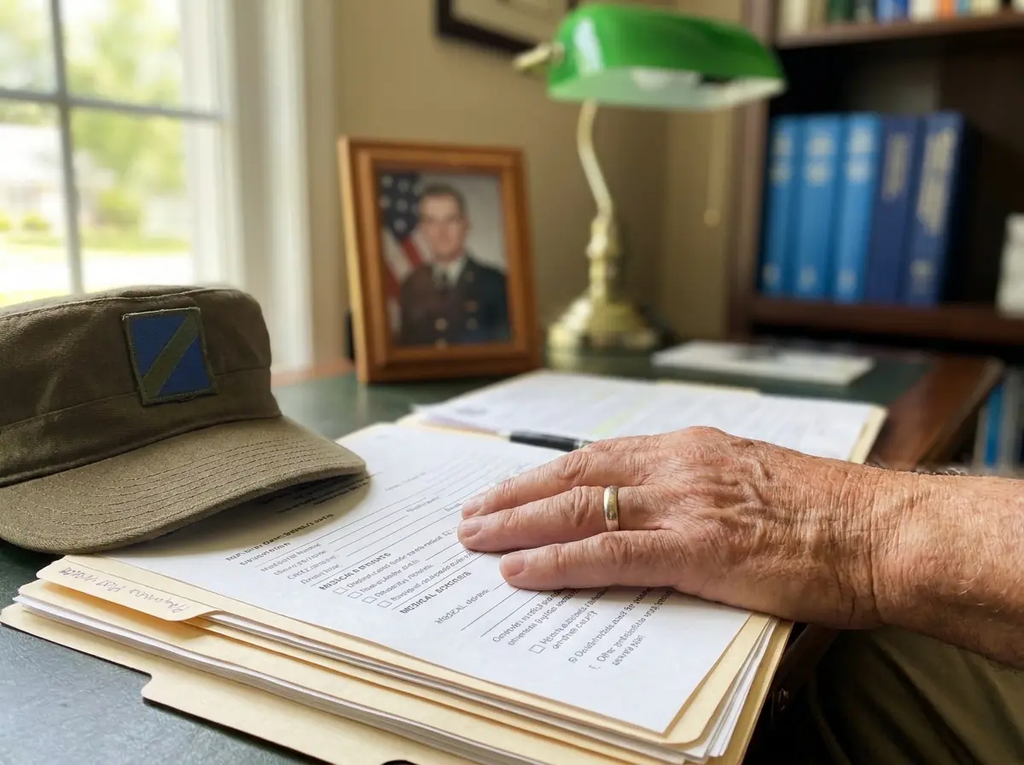
The recent passage of the PACT Act has significantly expanded the list of presumptive conditions for veterans exposed to toxic substances. This legislation simplifies the va disability claims process for many who served in specific locations like Vietnam, Iraq, and Afghanistan. Under presumptive rules, you do not need to provide the same level of evidence linking your condition to service because the VA assumes the connection exists. This change has opened the door for thousands of veterans to receive va disability benefits for respiratory issues and various cancers. If you were previously denied for a condition now listed as presumptive, you should consider filing a new claim immediately.
Presumptive conditions are a powerful tool for veterans because they remove the burden of proving a direct nexus for certain illnesses. However, you still need a formal medical diagnosis and proof that you served in a qualifying location during the specified timeframe. Reviewing your personnel records to confirm your deployment dates is a necessary step before filing under the PACT Act guidelines.
Many veterans are unaware that their specific location or timeframe now qualifies them for automatic service connection for certain chronic conditions. Staying informed about these legislative updates is a key part of how to win a va disability claim without costly mistakes. The VA is currently processing a high volume of these claims, so early filing is highly recommended to secure your effective date.
Even with presumptive status, the severity of your condition still determines your final va disability rating and compensation level. You must still provide medical evidence that details the frequency and duration of your symptoms to maximize your award. Do not assume that a presumptive connection automatically results in a high rating; the functional impact must still be documented. Working with a medical professional who understands the specific rating criteria for toxic exposure can help you present a stronger case. By combining presumptive status with detailed medical records, you create a robust application that is much harder for the VA to minimize. This proactive approach ensures you receive the full scope of va benefits you are entitled to under the law.
Claim Appeal Strategies: Handling Denials with a Higher-Level Review or Disability Appeal
If your initial va claim is denied, do not lose hope, as the majority of successful claims are won during the disability appeal phase. You have several options for challenging a decision, including requesting a higher-level review by a more experienced adjudicator. A higher-level review is ideal when you believe the evidence was already there but the previous reviewer made a clear error. In this process, no new evidence can be submitted, but a fresh set of eyes will examine the existing va disability file. This path is often faster than a traditional claim appeal and can resolve simple administrative mistakes or misinterpretations of the law.
If the higher-level review does not result in a favorable outcome, you may need to pursue a formal claim appeal through the Board of Veterans’ Appeals. This process can involve a hearing before a Veterans Law Judge, which allows you to present your case in person or via video. A disability appeal is often necessary for complex cases involving total disability or individual unemployability claims. While this path takes longer, it offers the most comprehensive look at your va benefits eligibility and legal rights. During a board appeal, you have the opportunity to introduce new evidence and provide personal testimony that can clarify the nuances of your case.
Navigating disability appeals requires a deep understanding of the law and the specific precedents set by previous court cases. It is often helpful to review a video library of successful cases to understand how to present your testimony effectively. Many veterans find that a va disability appeal is the only way to get the total disability based on individual unemployability (TDIU) they deserve. Remember that the va appeal process is designed to ensure that every veteran eventually receives a fair and just decision.
Persistence is often the most important factor in winning a difficult claim appeal, as the system can be slow and repetitive. By staying committed to the process, you increase your chances of eventually securing the rating you earned through your service.
Filing a Supplemental Claim with Additional Evidence

When you have new and relevant information to share, filing a supplemental claim is often the fastest way to reopen a denied case. A supplemental claim allows you to submit additional evidence that was not part of the original record, such as a new medical study or a private doctor’s report. This path is particularly useful if your condition has worsened since your last va disability claim was evaluated. The VA is required to assist you in gathering records, but providing them yourself can significantly speed up the supplemental claim timeline. This option is part of the Appeals Modernization Act, which was designed to give veterans more choices in how they challenge VA decisions.
The key to a successful supplemental claim is ensuring the new evidence is “relevant,” meaning it addresses the specific reason for the prior denial. If the VA denied you because of a lack of service connection, your supplemental claim must focus on proving that link. Using medical evidence from a specialist who understands veterans disability can provide the weight needed to overturn a previous decision.
Each supplemental claim you file keeps your original effective date alive, potentially leading to significant back pay in va disability benefits. This back pay can be life-changing for veterans who have been fighting for their benefits for several years. It is vital to ensure that every new piece of evidence directly speaks to the deficiencies noted in your previous denial letter.
Veterans should also consider how a supplemental claim interacts with other benefits, such as social security disability. While the systems are different, social security records can sometimes serve as powerful evidence for your va disability case. If social security disability has already determined you are unable to work, that medical evidence should be included in your filing. Consistently updating your va claims with new findings ensures that your disability based compensation remains current with your health status. By leveraging evidence from multiple sources, you build a more persuasive argument for the severity of your condition. This holistic approach to evidence gathering is a hallmark of a well-managed va disability strategy.
Navigating the Compensation and Pension (C&P) Exam Successfully
The Compensation and Pension exam is often the most stressful part of the va disability claims process for many veterans. This medical evaluation is conducted by a VA or third-party physician to determine the severity of your service-connected conditions. To succeed, you must be honest and thorough about your symptoms, ensuring you do not downplay your daily struggles.
It is helpful to bring a list of your symptoms and how they affect your ability to perform daily tasks or maintain employment. The examiner will use the rating criteria to fill out a Disability Benefits Questionnaire (DBQ), which heavily influences your final rating. Remember that the examiner is not your treating physician; their role is strictly to evaluate your condition for the veterans affairs office.
During the exam, focus on describing your “worst days” to ensure the doctor understands the full impact of your disability. If you are having a “good day” during the appointment, make sure to explain that your symptoms are often much worse.
Many veterans make the mistake of trying to be “tough” or stoic, which can lead to an inaccurately low va disability rating. If the exam involves physical movement, stop as soon as you feel pain or resistance, rather than pushing through it. The examiner needs to document your functional limitations, and pushing through pain can give the false impression that you have a full range of motion. Your honesty during this exam is a critical component of how to win a va disability claim without costly mistakes.
After the exam is complete, you have the right to request a copy of the examiner’s report through your regional office. Reviewing this report allows you to see if the doctor accurately captured your symptoms and the evidence linking your condition to your service. If the report contains significant errors or omissions, you can challenge it by submitting a statement in support of your claim.
You may also choose to undergo a private medical exam to provide a counter-opinion if the C&P results are unfavorable. Being proactive after the exam ensures that any mistakes made by the examiner do not go unchallenged in your va claim file. This follow-up is essential for maintaining the integrity of your medical record throughout the adjudication process.
Maximizing Your VA Disability Rating and Benefits

To maximize your va disability rating, you must understand the concept of individual unemployability and how it affects your monthly payments. If your service-connected disabilities prevent you from maintaining “substantially gainful employment,” you may qualify for total disability pay even if your rating is not 100%. This benefit, often called TDIU, is a lifeline for veterans whose disability claims don’t quite reach the 100% threshold through the standard schedule. It recognizes that the impact of a service-connected disability can be greater than the sum of its parts. Qualifying for TDIU requires detailed medical evidence showing that your conditions make it impossible to hold a steady job.
You should also stay informed about changes to the rating criteria for various conditions, as the VA frequently updates its “Schedule for Rating Disabilities.” A condition that was rated at 30% five years ago might now qualify for a 50% rating under new veterans affairs regulations. Regularly reviewing your va benefits and filing for increases when symptoms worsen is a proactive way to manage your va disability claim.
Don’t wait for the VA to reach out to you; you must be your own best advocate in the va claims system. Keeping a symptom journal can help you track the progression of your condition over time, providing valuable data for future increase requests. This documentation makes it much easier to prove that your health has declined since your last evaluation.
In addition to monthly compensation, a higher va disability rating can unlock benefits for family members, such as education assistance and healthcare. These va disability benefits are designed to support the entire household, acknowledging the sacrifices made by the veteran and their loved ones. Understanding the full spectrum of disability benefits ensures that you are not leaving money or resources on the table.
Whether through a higher-level review or a new va claim, fighting for the correct rating is a long-term investment in your well-being. These ancillary benefits, like the CHAMPVA healthcare program, can provide significant financial relief for your spouse and children. Securing a higher rating is about more than just a monthly check; it is about comprehensive support for your entire family.
Protecting Your Information and Seeking a Free Consultation
When researching how to win a va disability claim without costly mistakes, it is vital to use secure websites and protect your personal data. Always look for site connection security and a clear privacy policy before sharing your medical records or social security number online. A secure site connection ensures that your sensitive veteran disability information remains confidential and out of the hands of bad actors. Your connection security is just as important as the quality of the medical evidence you are gathering for your va appeal. Cyber threats are a real concern, and veterans are often targeted by scammers promising guaranteed results for a fee.
Many veterans find it helpful to seek a free consultation with a qualified representative or advocate before they file claim paperwork. A professional can review your va disability claims and identify potential weaknesses that might lead to a disability appeal later on. They can also help you decide whether a higher-level review or a supplemental claim is the best path forward for your specific situation.
Getting expert advice early in the va disability process can save you months or even years of frustration. Accredited representatives, such as VSOs or attorneys, have the experience to navigate the nuances of the law that most veterans might miss. Their guidance can be the difference between a successful initial claim and a long, drawn-out legal battle.
Finally, make use of available resources like a video library or online forums to learn from the experiences of other veterans. The va disability appeals process is complex, but you do not have to navigate it alone or without guidance. By prioritizing security disability measures and seeking professional help, you can focus on your health while the experts handle the paperwork.
Remember, the goal is to secure the va benefits you earned through your service to this country without making the mistakes that hold so many others back. Community support and shared knowledge are invaluable assets in the fight for fair compensation. By staying connected with the veteran community, you gain insights that can help you overcome the hurdles of the veterans affairs system.
Conclusion
Winning a va disability claim is a marathon, not a sprint, requiring persistence and a meticulous approach to medical evidence. Whether you are filing an initial claim, a supplemental claim, or navigating a va disability appeal, the quality of your documentation is the deciding factor. By avoiding common errors and understanding the higher-level review process, you position yourself for the best possible outcome. Your service-connected disability deserves a rating that reflects the true impact on your life and your ability to provide for your family.
Every veteran’s journey is unique, but the principles of thorough preparation and clear evidence linking remain universal across all successful cases.
Take the time to review your medical records, consult with experts, and ensure your site connection security is intact before proceeding with your va disability claims.
The path to total disability benefits or individual unemployability may be challenging, but it is a journey worth taking for your future security.
Stay informed, stay organized, and never give up on the claim appeal process until you receive the va benefits you were promised. With the right strategy, you can successfully navigate the veterans affairs system and win the compensation you deserve. Your service to the nation was a commitment, and receiving your earned benefits is the fulfillment of that promise. Keep fighting for the recognition and support you have rightfully earned through your dedication and sacrifice.