


PTSD causes far‑reaching health issues. Discover the top secondary conditions veterans win through medical nexus letters and how to build the evidence.
Post‑traumatic stress disorder (PTSD) doesn’t just affect your mental health: for many veterans, its impact ripples throughout the body. When left untreated or unmanaged, PTSD can contribute to—or worsen—a range of physical and psychiatric conditions. These are known as secondary service-connected conditions, and claiming them properly can substantially increase your VA disability rating.

At Attain Med Group, we specialize in connecting veterans with independent medical experts to craft powerful nexus letters, conduct record reviews, and complete DBQs (Disability Benefits Questionnaires). In this guide, we’ll walk you through what secondary conditions are common in PTSD, the medical evidence you need, and how to successfully prove service connection.
1. What Is Secondary Service Connection?
Secondary service connection is a VA principle (under 38 CFR § 3.310) that allows a disability to be service-connected if it is “proximately due to or the result of a service-connected disease or injury.”
- In simpler terms: PTSD (your primary, service-connected condition) → causes or worsens another health issue → that issue may qualify for its own VA rating.
- VA guidance confirms that mental health and physical disorders can both be secondaries tied to PTSD.
- Importantly, to establish a secondary claim, you generally need medical evidence showing a clear nexus (link) between your PTSD and the secondary condition.
2. Why Secondary Conditions Matter for Veterans with PTSD
Building a strong secondary-PTSD claim can be a game-changer:
- Higher combined disability rating: A secondary condition is rated independently, and when approved, it boosts your overall VA compensation.
- Recognition of complex health burden: Living with PTSD often means managing more than just psychological symptoms—documenting the full impact is key to fair compensation.
- Support for appeal or supplemental claims: If initial PTSD claims overlooked related conditions, an experienced nexus letter can support a secondary claim or appeal.
3. Common Secondary Conditions to PTSD
While there is no official exhaustive “PTSD secondary condition” list, patterns emerge in veterans’ claims and medical literature. woodslawyers.com Below are some of the most frequently recognized conditions—and how PTSD contributes to them.
A. Mental Health Conditions
- Depression
- Depression often coexists with PTSD. Chronic stress, trauma, and emotional dysregulation can lead to major depressive disorder.
- Depression often coexists with PTSD. Chronic stress, trauma, and emotional dysregulation can lead to major depressive disorder.
- Anxiety Disorders
- Generalized anxiety, panic disorder, and other anxiety-related diagnoses may arise from or worsen due to PTSD’s persistent hypervigilance.
- Generalized anxiety, panic disorder, and other anxiety-related diagnoses may arise from or worsen due to PTSD’s persistent hypervigilance.
- Substance Use Disorder
- Many veterans use alcohol, prescription medications, or drugs to self-medicate PTSD symptoms. While the VA may not grant a primary rating for substance use disorder, it can be service-connected secondarily to PTSD when there is clear medical causation.
- Many veterans use alcohol, prescription medications, or drugs to self-medicate PTSD symptoms. While the VA may not grant a primary rating for substance use disorder, it can be service-connected secondarily to PTSD when there is clear medical causation.
- Insomnia / Sleep Disorders
- Sleep disruptions, nightmares, and insomnia frequently accompany PTSD. These can evolve into or worsen conditions like obstructive sleep apnea (OSA).

B. Physical Conditions
PTSD isn’t just a mental burden. The chronic stress response it triggers can have systemic effects. Common physical secondary conditions include:
- Cardiovascular Disease / Hypertension
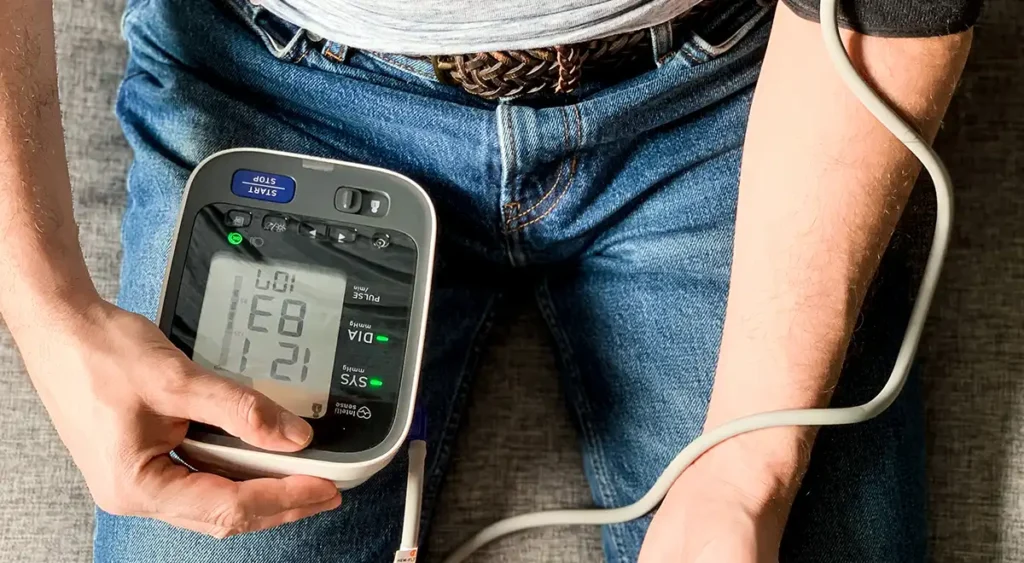
- Research shows veterans with PTSD have significantly higher rates of hypertension and cardiovascular disease.
- The National Veterans Legal Services Program (NVLSP) also highlights heart disease and hypertension as recognized secondaries.
- Gastrointestinal Disorders (IBS, GERD)
- PTSD’s stress activation (fight-or-flight) can disrupt digestion, contributing to irritable bowel syndrome (IBS) or gastroesophageal reflux disease (GERD).
- Migraines / Headaches
- Chronic tension, stress, and neurochemical changes tied to PTSD may contribute to migraines or frequent headaches.
- Chronic tension, stress, and neurochemical changes tied to PTSD may contribute to migraines or frequent headaches.
- Obstructive Sleep Apnea (OSA)
- Sleep apnea is often linked to PTSD via mechanisms like increased sympathetic activation, fragmented sleep, and weight changes.
- Sleep apnea is often linked to PTSD via mechanisms like increased sympathetic activation, fragmented sleep, and weight changes.
- Erectile Dysfunction (ED)
- Psychological stress, medication side effects, and PTSD-related anxiety can lead to ED.
- Psychological stress, medication side effects, and PTSD-related anxiety can lead to ED.
- Chronic Pain
- The physiological stress response, muscular tension, and comorbidities (like headaches) may contribute to chronic pain syndromes.
4. Scientific Evidence: How PTSD Leads to Secondary Conditions
Understanding the why behind secondary conditions strengthens VA claims—and provides foundation for medical nexus opinions.
- Cardiovascular Risk: A longitudinal study of VHA patients found that PTSD was associated with a 41% greater risk of developing cardiovascular disease (CVD). While comorbidities partially explain this risk, PTSD’s role remained significant.
- Stress Response & Inflammation: PTSD triggers dysregulation in the body’s stress systems (e.g., chronically elevated cortisol), which can lead to inflammation—a well-known contributor to heart disease, GI disorders, and other chronic conditions. (Supported in medical literature; see comorbidity discussion in Veteran clinical guides.)
- Sleep Disruption: PTSD is strongly linked to sleep fragmentation, nightmares, and hyperarousal—all of which can contribute to or worsen OSA. Clinical and legal reviewers note how this pathway is critical in nexus letters.
5. Building a Strong Claim: Evidence & Strategy
To successfully claim a secondary condition from PTSD, you need to build a robust, evidence-based case. Here’s how:
A. Secure a Clear Diagnosis
- Ensure you have formal medical diagnoses for both PTSD and your suspected secondary condition(s).
- Use DBQs (Disability Benefits Questionnaires) specific to each condition when possible.
B. Establish the Nexus (Link)
- Nexus Letter: A well-written, independent medical opinion (preferably from a specialist) should state, “to a reasonable degree of medical certainty,” how your PTSD caused or aggravated the secondary condition.
- The nexus letter should clearly articulate the mechanism (how PTSD’s biology or symptoms lead to or worsen the secondary condition).
- Use peer-reviewed research or clinical rationale (like the vascular-inflammation pathway, PTSD-stress response, or sleep disruption) to back the opinion.
C. Compile Supporting Evidence
- Medical Records: Include your mental health treatment notes, primary care visits, specialist assessments, and lab/imaging data.
- Lay Statements: Statements from family, friends, or fellow service members about your health changes can be powerful.
- Symptom Timeline: Document when the secondary condition began relative to your PTSD diagnosis, and how symptoms have progressed.
D. Prepare for Your C&P Exam
- Be ready to explain how PTSD symptoms relate to your secondary condition: talk about sleep quality, pain, heart symptoms, or GI issues.
- Bring any written reports, nexus letters, and DBQs to your Compensation & Pension (C&P) exam.

6. Challenges Veterans Commonly Face — and How Attain Med Group Helps
Secondary PTSD claims can be complex. Here are some common pitfalls—and how our approach helps you navigate them:
- VA Denies the Nexus
- Challenge: VA examiners sometimes reject nexus letters if the mechanism is vague or poorly explained.
- Our Solution: Our network of independent medical providers specializes in VA-style nexus letters, explicitly linking PTSD to secondary diagnoses using current medical science.
- Under‑Rated Secondary Condition
- Challenge: Even when approved, the VA may assign a lower rating than expected.
- Our Solution: We work with physicians to complete DBQs tailored to VA rating criteria, ensuring all disabling symptoms and functional impacts are documented.
- Pyramiding & Rating Rules
- Challenge: Mental health conditions can’t always be rated separately due to VA’s pyramiding rules. For example, multiple psychiatric diagnoses often combine into a single rating.
- Our Solution: We guide you through how to structure your claim to maximize combined ratings without violating rating rules.
- Denied on Appeal
- Challenge: Even with a nexus letter, the VA may deny or undervalue your secondary claim.
- Our Solution: We assist with Supplemental Claims, Higher-Level Reviews, and appeals, submitting new evidence (like additional nexus opinions) when needed.
7. Frequently Asked Questions (FAQs)
Q: Can I file for more than one condition secondary to PTSD?
A: Yes. Secondary conditions are evaluated independently. As long as you can show each condition is “proximately due to” or aggravated by your service-connected PTSD, you may be rated for multiple secondaries.
Q: Will filing a secondary claim for PTSD trigger a re‑evaluation of my PTSD rating?
A: It can. When you file a secondary claim, VA may require a re-exam of your primary condition during a C&P exam. Some veterans report re-evaluation leading to higher, same, or even lower PTSD ratings.
Q: What evidence do I need for a nexus letter?
A: At minimum: your PTSD diagnosis, medical history, and a rationale from a medical professional explaining how PTSD likely caused or worsened your secondary condition. Use peer-reviewed studies or accepted medical reasoning when possible.
Q: Does having a secondary condition increase my monthly compensation significantly?
A: Potentially — because the VA rates the secondary condition separately, it can increase your combined disability percentage, which may lead to higher monthly benefits.
Q: Is there a deadline to file a secondary claim?
A: Not strictly. Once you’re service-connected for PTSD, secondary conditions can be claimed as they develop. It’s best to file as soon as there’s medical documentation linking the new condition to your PTSD.
8. Veteran Success Stories (with Attain Med Group)
(Note: Insert real or anonymized client stories if available. Below are illustrative examples.)
- Case Study: Sleep Apnea Secondary to PTSD
Veteran A had a 50% PTSD rating and long-standing sleep disturbances and fatigue. Through Attain Med Group, he obtained a sleep study and a nexus letter from a pulmonologist explaining how PTSD-related hyperarousal and weight changes contributed to his sleep apnea. The secondary claim for OSA was granted, increasing his combined rating. - Case Study: Hypertension & PTSD
Veteran B, rated for PTSD, developed high blood pressure in his 40s. Our team helped him secure a cardiologist’s nexus opinion that chronic PTSD stress contributed to his hypertension. Supported by his primary care records and blood pressure logs, his VA secondary claim was approved.
9. Next Steps — Strengthen Your Secondary PTSD Claim with Attain Med Group
- Book a No‑Cost Consultation
Contact us to review your service history, PTSD claim, and any suspected secondary conditions. - Request a Specialist Evaluation
We’ll connect you with independent medical professionals (psychiatrists, cardiologists, GI specialists, sleep experts) to evaluate your symptoms. - Get a Nexus Letter
Our providers will draft a detailed nexus opinion tailored to VA standards, linking PTSD to your secondary condition(s). - Complete DBQs
We guide you through the process of filling out VA-required DBQs aligned with VA rating criteria. - Prepare for Appeal or Supplemental Claim
If needed, we help you compile and submit new evidence, lay statements, and medical opinions to support your case.

Conclusion
PTSD causes far‑reaching health issues—but you don’t have to face them alone. Identifying and proving secondary conditions is often a path to higher VA compensation, better care, and recognition of the full toll of your service.
At Attain Med Group, we’re dedicated to helping veterans secure the medical nexus letters, DBQs, and documentation they need to make strong, evidence-based claims. Let us help you build your case—so you can focus on your health and your future.
Ready to get started? Contact our veteran‑centered team today to schedule your consultation.