


You wake up, stand up next to your bed, and that sharp heel pain hits again. You limp to the bathroom and already know how the rest of the day will feel. If that sounds familiar, you are in the right place.
Many veterans push through serious foot pain for years. They shrug it off as “just getting older” or a bad pair of boots. But if your pain started in service or got worse because of service, VA disability for plantar fasciitis, VA foot pain medical records, a doctor’s statement for plantar fasciitis VA, and understanding How to Strengthen Your Claim are exactly what you need to understand right now.
This guide breaks down how the VA rates plantar fasciitis, the evidence that actually moves the needle, and what kind of medical statements can help you win. We will talk through VA foot pain medical records and the doctor’s statement for plantar fasciitis VA needs to see. We also cover real steps on VA disability for plantar fasciitis and How to Strengthen Your Claim so you are not guessing anymore.

Why Plantar Fasciitis Is Such A Big Deal For Veterans
The plantar fascia is a thick band of tissue that runs along the bottom of your foot. It supports your arch and absorbs shock every time you step. The Mayo Clinic explains that repeated stress can cause small tears and lead to inflammation and pain.
If you spent years rucking on concrete, running with full gear, standing long hours on flight lines, or working on steel decks, you know how hard that is on your feet. That kind of wear and tear shows up later as burning, stabbing, or aching pain in your heel and arch. Many vets start their day with pain on the first steps out of bed and feel like they are walking on rocks by evening.
Left untreated, plantar fasciitis can change your whole posture. You start walking differently to avoid the pain. Then your knees, hips, and low back start complaining too.
This condition creates significant issues with daily activities. Simple tasks like grocery shopping or mowing the lawn become major hurdles. Understanding the gravity of this condition is the first step toward getting the disability benefits you deserve.
How The VA Rates Plantar Fasciitis
The good news is that plantar fasciitis finally has its own rating code. For years, vets had to fit foot pain into other categories. Now it is rated under diagnostic code 5269 in the VA schedule.
Under CFR 38, part 4, diagnostic code 5269, the VA gives specific ratings just for plantar fasciitis. Most vets end up in the 10 to 30 percent range. That range matters because it affects your monthly check and access to care.
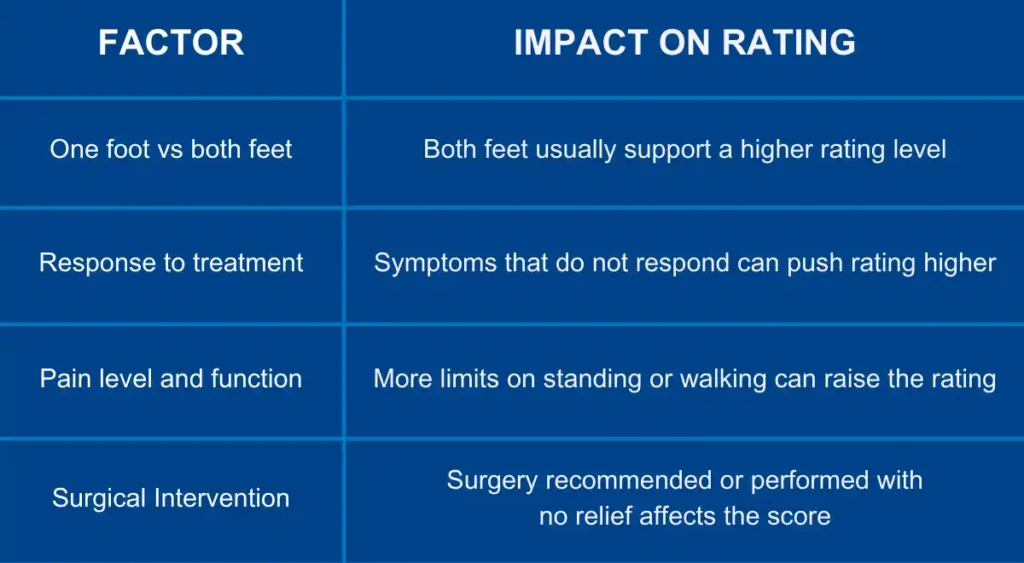
The schedule of ratings for the musculoskeletal system explains that va rates plantar fasciitis at 10, 20, or 30 percent. That rating depends on things like whether one or both feet are affected and how you respond to treatment. So the details in your VA foot pain medical records really matter.
The VA disability rating is determined by functional loss. This means the VA looks at how much the condition stops you from using your foot normally. Pain alone is a factor, but the inability to stand or walk is what drives the VA rate higher.
The VA sometimes still cites plantar fasciitis under 38 CFR § 4.71a and related foot codes. You might also see mention of Diagnostic Code 5285 in older guidance. The main point is this, plantar fasciitis is now clearly recognized as its own ratable disability.
It is also important to check if you have related conditions like pes planus (flat feet) or hallux valgus (bunions). These conditions often appear alongside plantar fasciitis. Having multiple foot issues can sometimes complicate the rating, but accurate medical documentation clears up the confusion.
Service Connection And Aggravation: Getting The VA To Say “Yes”
You can have terrible heel pain and still get denied if the VA does not see how it ties to your service. Service connection is the bridge between your military service time and your current foot condition. There are a few different ways to build that bridge.
Direct Service Connection
This is the classic route. You show that your plantar fasciitis started in service and has continued since. Maybe you went to sick call for heel pain, or it showed up in your physical separation.
If your records mention chronic foot pain, heel spurs, or arch problems while you were in uniform, that can all support a direct connection. This is where strong VA foot pain medical records give you a major edge. The more clear that paper trail is, the harder it is for the VA to shrug it off.
To win this, you need an in-service event that caused the injury. This could be a specific training accident or just the daily grind of your job. Establishing this event is crucial for a VA disability claim based on direct service.

Aggravation Of A Preexisting Foot Condition
Some vets had mild flat feet or heel pain before service. Then years of running in boots on hard ground turned a small problem into a major one. You are not out of luck just because something started before enlistment.
Under CFR 38, Part 3, §3.306, a preexisting issue is considered aggravated by service if it gets worse during service and the increase is not due to natural progress. That language matters. Your doctor’s statement for plantar fasciitis VA reviews can explain that jump in severity in a way that lines up with this rule.
Secondary Service Connection
Maybe the VA already granted service connection for your back, knees, or another joint. Then over time, your altered gait starts tearing up your feet. That is where a secondary claim comes in.
The VA lets you file a plantar fasciitis va claim as secondary to another service-connected condition. Secondary claims can be filed online and do not always call for a brand new VA Form 21-526EZ. This route can work well if your service medical records are thin but your current issues are clearly tied together.
A secondary disability is just as valuable as a primary one. For example, if you have a service-connected knee injury that forces you to walk with a limp, that limp can cause plantar fasciitis va issues. You must provide medical evidence linking the two conditions to establish secondary service connection.
How To Actually File A VA Claim For Plantar Fasciitis
Filing for VA disability can feel like another ruck. But there is a clear first step. To qualify for a plantar fasciitis va rating, you have to file a claim using VA Form 21-526EZ.
You can file this form online through VA.gov, by mail, or at your regional office. The same application is used if you are filing your first claim or adding plantar fasciitis to your list of conditions. You will sometimes see this called just VA Form 21-526, which is the standard application for disability compensation and related benefits.
If you want to see a filled version, you can check out the PDF version of VA Form 21-526EZ as well. Before you fill it out, start collecting your medical documentation. Do not send in a bare form and hope the VA hunts for everything. When filing, make sure you clearly state you are seeking disability benefits for foot pain. Be precise about which foot is affected or if it is both. Correctly filling out the paperwork reduces the chance of having your claim denied.

VA Foot Pain Medical Records That Actually Help Your Claim
The VA loves documentation. Your own statement is important, but it usually is not enough by itself. You want a stack of VA foot pain medical records that tell the story for you.
Key Records To Gather
Here are the big pieces you should chase down.
- Service treatment records that mention foot pain, heel pain, or plantar fasciitis.
- Separation exam notes that mention “feet,” “arches,” “heels,” or pain with running or standing.
- VA podiatry notes and primary care notes mentioning heel or arch pain.
- X-ray or imaging reports showing heel spurs or related issues.
- Civilian podiatrist or orthopedic records since discharge.
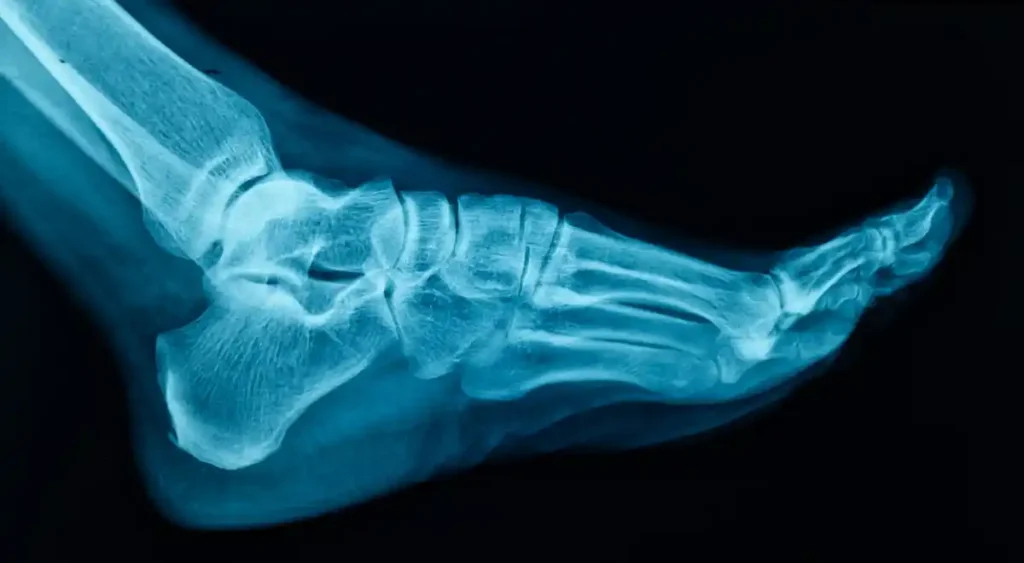
Articles like this overview of plantar fasciitis causes show just how many different causes exist. This is why your records need to clearly label plantar fasciitis as your current diagnosis. You do not want the VA to argue your pain is from something else.
It helps if your file shows consistent complaints over time. Scattered visits every few years are easier for a rater to minimize. Steady visits and notes about standing limits and work impact make the picture clearer.
What Your Medical Records Should Actually Say
You cannot control your doctor, but you can ask better questions and be clear about what you feel. Here are things that usually help in VA foot pain medical records.
- Where exactly your pain is and when it started.
- How long you can stand or walk before pain forces you to sit.
- Whether you use orthotics, braces, night splints, or canes.
- How your foot pain affects your job and daily activities.
If your doctor notes that you have trouble standing more than ten or fifteen minutes or cannot walk far, that can support a higher rating. Resources like this guide on foot pain causes and treatments can help you describe your symptoms in accurate language. The clearer you are, the better the doctor can document it.
The Power Of A Strong Doctor’s Statement For Plantar Fasciitis VA Claims
Now let’s talk about the secret weapon many vets are missing. Your doctor’s statement for plantar fasciitis VA raters review can tie everything together. Think of it as your medical “closing argument” known as a medical nexus.

What A Helpful Doctor’s Letter Should Cover
You want more than a note that just says “veteran has plantar fasciitis.” A solid letter usually hits at least three main points.
- Clear diagnosis and which foot or feet are affected.
- History of the condition and symptoms over time.
- Medical opinion on whether it is linked to your service.
For service connection, your doctor can use phrases like “at least as likely as not” when connecting your foot pain to military activities. They might mention your long ruck marches, physical training, or jobs that kept you on your feet for many hours. That language lines up with what the VA expects in a nexus letter.
How To Talk To Your Doctor About Your VA Claim
You do not have to feel awkward. You can be honest that you are working on a va disability claim and need a detailed opinion.
Here is a simple script you can use.
- Explain your service history and how your job stressed your feet.
- Describe how your pain has grown worse since service.
- Ask if they can write a letter stating your diagnosis and medical opinion.
You might even bring printed pages from the diagnostic code 5269 description and Mayo Clinic info on plantar fascia damage. That shows your doctor how the VA looks at the condition and can prompt better detail. You are not telling them what to say, you are just giving context.

How To Strengthen Your Claim With Everyday Evidence
Most vets think the claim lives and dies with a couple of medical notes. Your records matter a lot, but they are not the whole story. Your day-to-day life also holds a lot of proof.
Lay Statements From You And People Around You
You can write a short statement explaining your pain and how it limits you. Keep it honest, specific, and real. Skip the fancy language.
You can also ask your spouse, coworkers, or close friends to write short letters. They can mention things they see, like you limping after work or needing to sit during events. These statements paint a picture of how bad things really are outside of the clinic.
Daily Life Details That Support Your Case
Think about all the quiet ways foot pain cuts into your routine.
- Do you avoid stores that require long walking?
- Do you sit during family activities you used to enjoy?
- Do you need different shoes with inserts all the time?
- Have you missed work days because standing is unbearable?
This kind of detail shows impact on your earning ability and quality of life. It shows how the condition impacts daily activities on a regular basis. If you are trying to strengthen your overall strategy across conditions, it can also help to study how others approach ratings for things like hiatal hernia or rotator cuff repair and bursitis. Many of the same evidence principles apply even if the body part changes.
Medical Treatment Choices And Why They Matter To The VA
Your rating does not depend on which brand of shoe you wear. But the VA does look at how your condition responds to treatment. That means your treatment history matters more than many vets realize.

Common Plantar Fasciitis Treatments The VA Sees
Sources such as this overview of plantar fasciitis symptoms and treatments describe the usual game plan. You might see recommendations like rest, stretching, better shoes, orthopedic shoes, arch supports, night splints, and physical therapy. In some severe cases, injections or surgical treatment come into the picture.
If you have tried these and your pain still limits standing and walking, that is powerful evidence. The rating schedule even talks about cases that are “not responsive to treatment” receiving higher ratings when both feet are involved. Your records should list what you tried and whether it helped.
Functional Loss: How Much You Can Actually Do
Ratings are about function. The question is not just “does it hurt,” but “what does this stop you from doing.” That includes both work and personal life.
Guides on common foot pain problems and solutions talk about limiting walking or standing as standard advice. So if you have to follow that advice just to get through the day, it supports your case. Bring this up at every appointment so your chart reflects it.
If you cannot work due to prolonged periods of standing, you must document this. Functional loss is a key term in veterans law that decides your compensation level. Always explain what you cannot do, not just what hurts.
How Strength Training, Body Mechanics, And Lifestyle Fit In
This may surprise you. Things like how you move, breathe, and carry weight can shape your pain level. It does not replace your claim, but it can change your daily comfort.
Articles on how to strengthen your lifts with better breathing show how much technique matters in the gym. If your core and hips are weak or out of balance, your feet pay for it with every step. Safer training, even if light, can ease the strain.
The same is true in work and life. Long hours on concrete or carrying heavy lifting with poor body mechanics makes foot pain worse. So part of strengthening your claim is also learning how to strengthen your body in safe, smart ways.

How To Strengthen Your VA Disability For Plantar Fasciitis Claim Step By Step
You might feel like this whole process is one giant maze. So here is a simple roadmap. Use it as a checklist as you go.
- Get a clear diagnosis of plantar fasciitis in your medical records.
- Collect service treatment records and any evidence of in-service event foot problems.
- Gather post-service VA and private medical records that show ongoing foot pain.
- Ask your doctor for a detailed medical opinion letter with a service connection opinion.
- Write your personal statement describing daily limits from your foot pain.
- Ask family or coworkers for short lay statements about what they see.
- File or update your claim with VA Form 21-526 online, by mail, or in person.
This is how you strengthen your claim one step at a time. You can also study other conditions and how vets build their cases, like claims for uterine fibroids or joint issues. You start to see patterns in what works.
Mental, Emotional, And Spiritual Strength While You Wait
The VA claim process is slow. There are days where the waiting eats at you as much as the pain. So part of this journey is about staying grounded and steady inside. Leadership writers talk about how to strengthen your culture so people feel supported under pressure. You can borrow the same idea for your own life. Build a small “culture” of support at home, among your friends, and with other vets.
If faith is part of your life, resources like this guide on what faith is and how to strengthen yours can help you anchor in something deeper. That kind of strength does not change your plantar fascia, but it can change how you walk through the process. You deserve care on all fronts, not just physical.
Common VA Foot Pain Mistakes That Can Weaken Your Case
There are patterns that come up again and again. Here are a few mistakes to avoid so you do not undercut your own claim. Think of this as a quick “do not do this” list.
- Not going to the doctor because you “do not want to complain.”
- Downplaying your pain level at exams because you are used to toughing it out.
- Ignoring related symptoms like knee or back pain that tie into your foot problems.
- Sending a claim without any clear nexus letter or opinion from a doctor.
- Letting months or years go by without follow-up records.
Guides on foot pain and ankle problems make it clear that many conditions worsen without regular care. The VA reads your lack of treatment as a sign that things might not be that bad. Your body might tell a different story, so get that story written down.

How Your Plantar Fasciitis Fits With Your Whole Disability Picture
For some vets, plantar fasciitis is just one part of a long list of issues. Maybe you also have back problems, sleep trouble, stomach problems, or joint damage. Your goal is a complete picture, not just one claim in isolation.
The more you understand each piece, the more you can strengthen your full disability rating. Content about how to strengthen your body or your business shows up in many places, like guides that help you strengthen your lifts or strengthen your case for other conditions. It is the same mindset here, you want to look at the whole system, not one symptom.
You might be eligible for a combined disability rating. This combines your plantar fasciitis va claim score with ratings for other conditions. A combined disability score can lead to significantly higher compensation.
Conditions such as uterine fibroids or joint injuries show that many vets face more than one serious diagnosis. Each one deserves careful attention. Plantar fasciitis may be “just your feet,” but if you cannot stand or walk well, every part of life is affected.
If you have multiple service-connected disabilities, the math gets complicated. Using a VA disability rating calculator can help you estimate your total. However, always aim for the maximum rating for each individual condition first.
Conclusion
If you are still reading, you probably feel that daily heel pain every time you stand up. You have done more than enough pushing through. It is time to give that same energy to building a claim that actually reflects what you live with.
You now understand how VA disability for plantar fasciitis works under DC 5269 and related rules. You know what VA foot pain medical records should say, what a strong doctor’s statement for plantar fasciitis VA needs to see looks like, and step-by-step ways on VA disability for plantar fasciitis and How to Strengthen Your Claim so your story does not get lost in the shuffle. You also know you are allowed to seek support, lean on your faith if that fits your life, and build a small team around you as you go.
Your service asked a lot from your body. You are not asking for a favor, you are asking for the care you earned. Start with one step from this guide today, gather one record, ask one doctor for a letter, or begin writing your statement, and keep going until your claim is as strong as the miles you have already walked.