

Filing for VA disability benefits can be a confusing process, leaving many veterans wondering how it all works. You might be asking yourself, “How can I avoid the common pitfalls that could derail my claim?” The truth is, navigating the VA claims process and understanding the 5 Common Mistakes Veterans Make in VA Claims & How to Avoid Them can feel overwhelming.
Many veterans don’t file immediately after leaving the service. A significant number wait a decade or longer before submitting their va claims. A survey found that 29% of veterans file for VA benefits 10 or more years after separating.
This can all change by getting educated on the 5 Common Mistakes Veterans Make in VA Claims & How to Avoid Them. This knowledge could make all the difference, but you have to be aware of some costly pitfalls.

Failing to Gather Enough Medical Proof
Think of your medical evidence as the foundation of your va disability claim. The stronger the foundation, the better your chances of success. The VA needs solid proof to connect your current condition to your service-connected disability.
Include service treatment records, private medical records, doctor’s reports, X-rays, and medical test results. You might even need military records of medical treatment. Without this comprehensive evidence, it can be difficult to establish that essential link.
In one favorable case, a veteran had two different health conditions affecting a similar area. They received a favorable judgment because the impairments were attributed to service-connected conditions.
Building a Strong Medical Case
So how do you obtain this vital medical proof? Begin by gathering all your health records, requesting copies from both military health providers and private doctors.
Schedule appointments with specialists and get their medical opinion about how your condition is connected to your service. It might be beneficial to check if you suffer from a mental health condition, traumatic brain injury, or any neurological disorders that occurred while in service.
Keep detailed notes of all doctor visits, and maintain records and diaries that provide insights into all factors affecting a particular issue. Get copies of any test results, as these are essential when building your case for va disability benefits.
Missing Critical Deadlines for Your Claim
The VA is very particular about timelines, and this is one of the biggest reasons claims get delayed. On average, it takes the VA 127 days to process a disability claim, but there can be exceptions. Factors such as appeals and complications add time to how long this might all take.
Veterans who are 75 or older, facing financial distress, or experiencing serious illness can request priority review. Some situations warrant a much faster response. Consider if your illness can be tied to agent orange exposure, gulf war syndrome or conditions developed from being a part of the Iraq war fund.
If you miss a deadline, your claim could be denied outright. This could end up making things worse. Avoid these mistakes to prevent any hiccups on your application for your va benefit.

Staying Ahead of VA Deadlines
How can you stay on top of these important deadlines? Keep a dedicated calendar. Note submission windows and follow-up dates for better visibility. Carefully read all mail from the VA and prioritize accordingly. Putting in the effort now can save you from extra paperwork later.
Set digital reminders on your computer or phone. It’s always better to have more reminders than not enough.
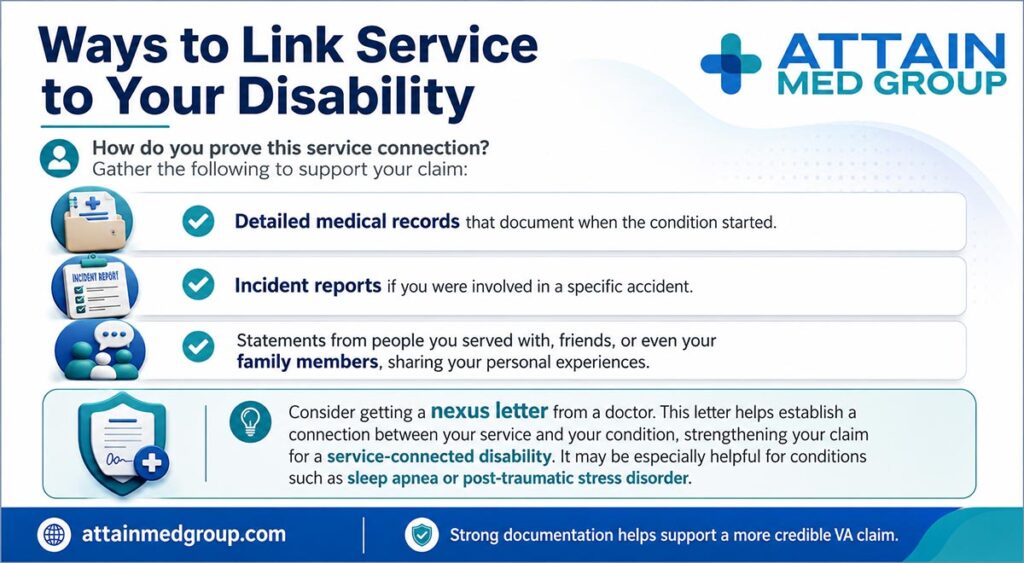
Not Showing How Service is Tied to Disability
This might be the biggest stumbling block for many veterans. This is failing to give a detailed explanation or medical records to back up your va disability. The VA denies many disability claims due to a failure of tying your disabilities to service, according to multiple studies.
You must clearly prove that the issues are a result of your time on active duty. Your current condition needs to originate during, or be made worse by, your military service.
There are other critical considerations too, especially the five factors they evaluate your application. These are (1) eligibility, (2) if you have a current disability, (3) that there’s something that happened while on active duty (4) direct correlation to condition, (5) current severity level.
Submitting Forms With Missing Details and Mistakes

Think of the paperwork as the roadmap for your va disability benefit claim. Every detail must be reviewed carefully, as if it’s mission-critical because it is.
The main form is VA Form 21-526EZ. This form requires you to fill out every section accurately and completely.
Leaving parts blank, making errors with dates, failing to sign in the right place, and forgetting supporting information can lead to denial. Double check your claim and run it by another pair of eyes to avoid these mistakes. Consider speaking with a disability lawyer to confirm that everything is submitted appropriately.
Tips to Getting Paperwork Right
Don’t guess on any areas or parts of the form. Approach it section by section to prevent feeling overwhelmed. Fill it out in sections, and proofread everything. Take breaks to ensure your focus remains sharp. Avoid skipping any part when completing this claim. You don’t want your application to get held up after all your hard work.
Not Seeking Legal Guidance in your Disability Claim

Would it surprise you to know that a recent survey revealed 40% of disabled veterans didn’t realize they qualified for this aid? Others failed to pursue va disability benefits due to being unsure of where to start.
Laws keep changing, and it is always best to keep up to date. Connect with experienced professionals instead of relying on guesswork, even if you believe your case is straightforward.
A lot can change, especially with the passage of time. Since August 2022, when President Biden signed the PACT Act, more than 100,000 claims for veterans disability have been filed.
One study reports on VA claims processing times averaging close to four months. Factors influencing processing speed are determined based on age, but a strong legal team can often expedite the process. You can calculate your potential monthly compensation using a va special monthly compensation calculator to have an estimated value before beginning.
Don’t go at it alone. Enlist experts and allies with direct knowledge to aid your submission process.
Many veterans overlook their eligibility for benefits.
Legal Help is Better
What if you’re missing records or unsure how to prove the connection between your health and active duty? These uncertainties can create feelings of helplessness, causing many to give up.
When veterans utilize available resources, they often experience a smoother process. Having advocates help complete documents, increasing the odds of favorable outcomes. Skilled legal assistance can be invaluable when filing a va disability claim.
5 Common Mistakes Veterans Make in VA Claims & How to Avoid Them
Don’t assume that doing everything right guarantees a problem-free process. A doctor you believe will support your claims might not, so always adhere to the proper steps.
Maintain a proactive stance, and don’t give up if your claims need review or appeal. While there’s no guarantee of success, these steps significantly increase the odds of a favorable outcome.
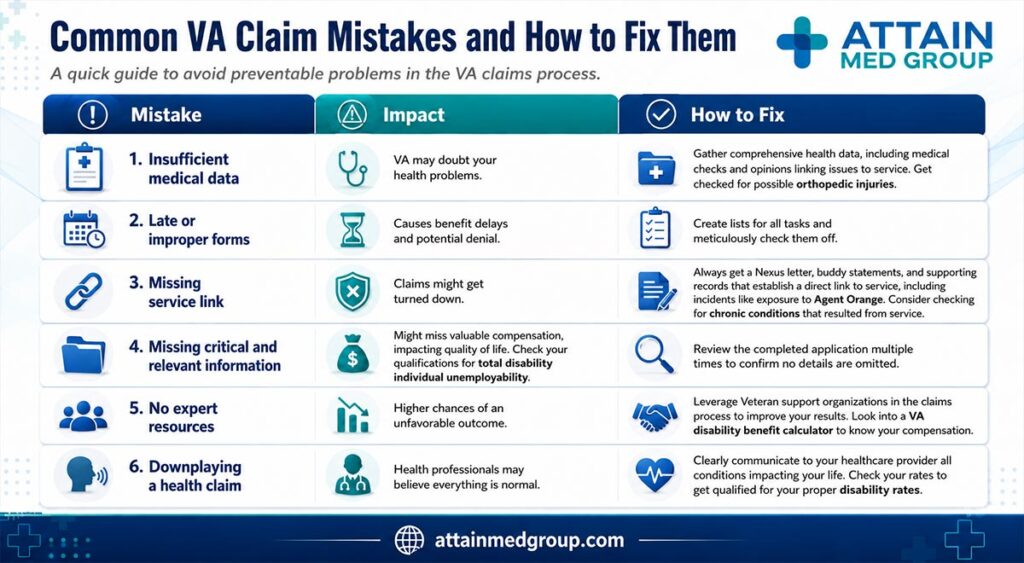
Many veterans are declined because they exaggerate details to influence the benefits decision. Overstating details can raise doubts.
You don’t want the empty feeling that could result from not getting the help you deserve.
Conclusion
Submitting claims can be challenging if you’re not well-prepared. Missing paperwork can cause setbacks or even lead to failure. Understanding the 5 Common Mistakes Veterans Make in VA Claims & How to Avoid Them can make a positive difference.
Addressing these 5 Common Mistakes Veterans Make in VA Claims & How to Avoid Them proactively is crucial. There’s plenty of help available if you ask for it. Doing all of this, can assist you in being aware and knowing of the qualifications of things like a total disability or even learning more about any accrued benefits, death benefits, or even the additional services that may apply to surviving spouses.